13 REASONS WHY YOU SHOULD WATCH ANIME

Contrary to popular belief, Japanese anime has evolved beyond just being goofy cartoons for kids. Whether you’re looking for an intricate plot with complex characters or coming of age stories that hit close to home, anime got something for everyone. So in an attempt to make you aware of all that you are missing out on I’m listing down 13 reasons why you should definitely start watching anime.

THE STUNNING VISUALS

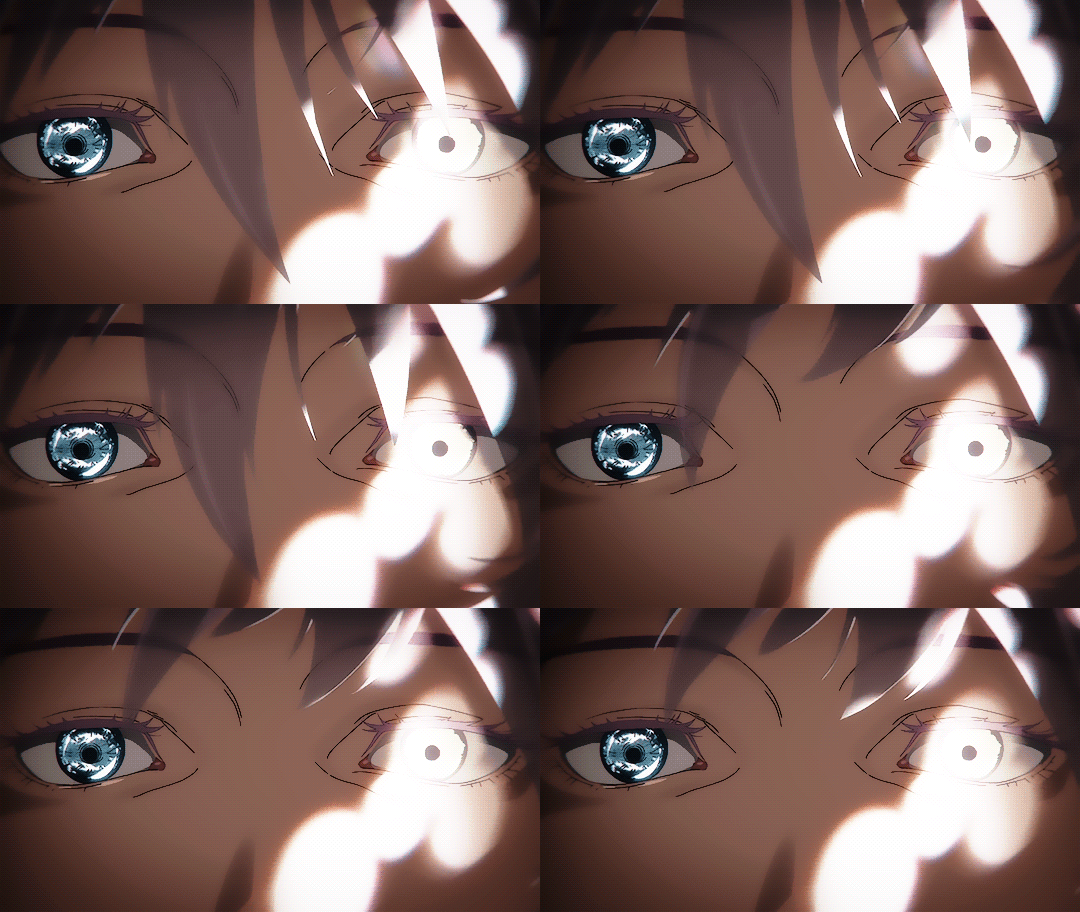
Anime visuals have the ability to immerse you into this new world. With beautiful character design, striking scenery and mind-blowing transitions, for any new anime watcher, the realistic animation might be enough to get you hooked on a show.

Your Name (2016)

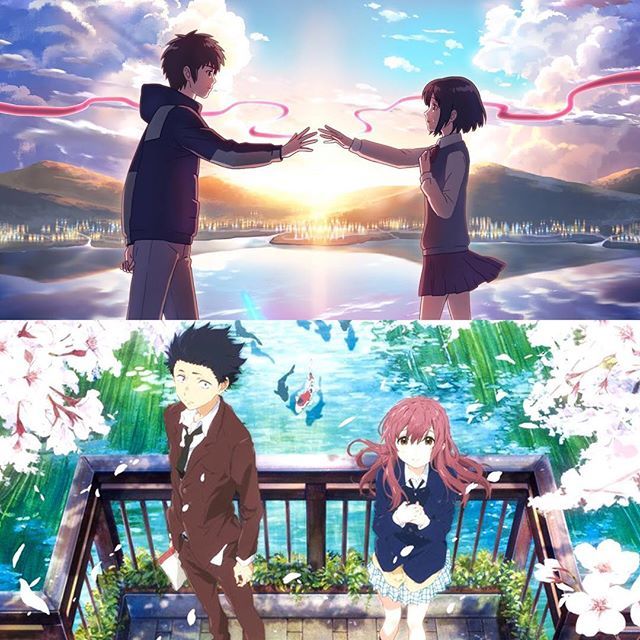
“Shinkai’s signature use of beautiful colors gives the sensational visual pleasure his films are often known for, but they also play a role in juxtaposing beauty with trauma: in this case, the asteroid disaster.” – George Sohng
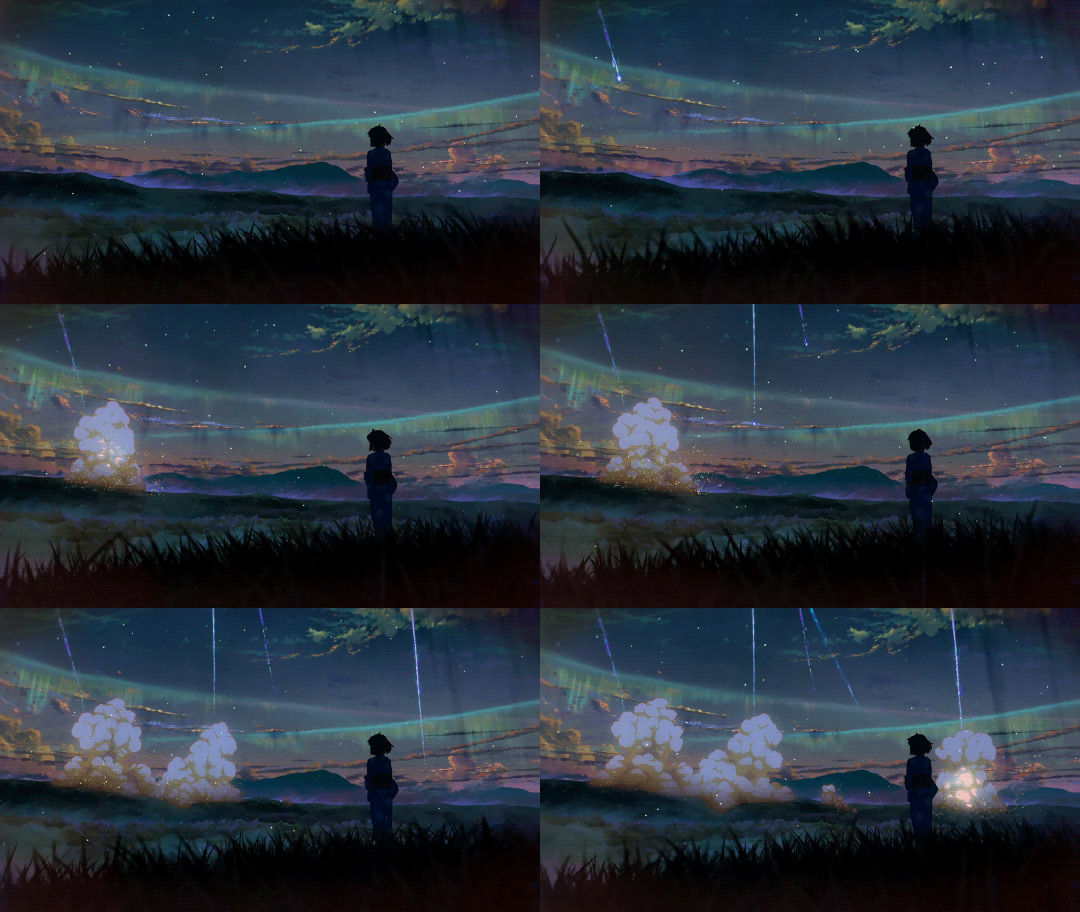
Kimi no Na wa / Your Name (2016)

Demon Slayer (2019)

Even though both anime and manga are filled with interesting characters and strong plot, its biggest strength is its visual animation. Every single fight scene is a visual spectacle.
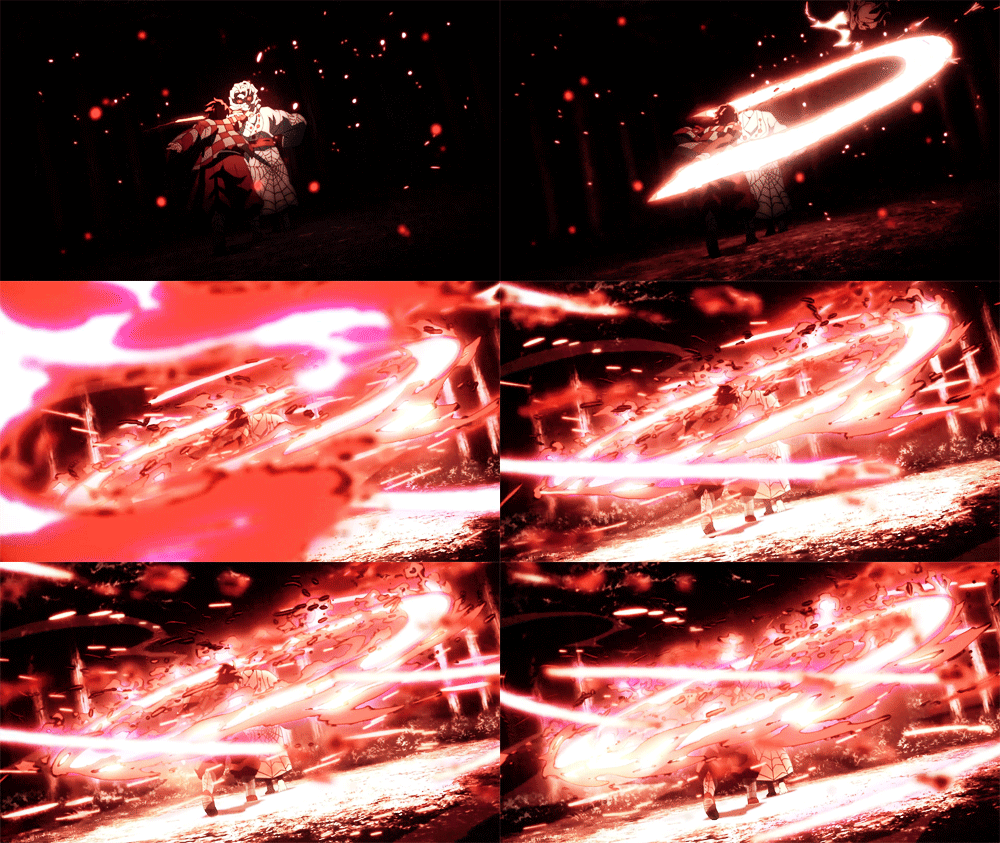
Kimetsu no Yaiba / Demon Slayer (2019)

THE QUIRKY AND UNIQUE CHARACTERS

From mad scientists, alien teachers, to statues of Medici, Mars, Hermes and St. Giorgio who are just trying to make it into the entertainment industry. The anime world is filled with equal parts absurd and hilarious characters.

One Punch Man (2016)

The creators of this anime went against every single action hero stereotype and created the fan-favourite parody. Saitama, the hero is more worried about the fact that the supervillain deiced to fight him on the day of his shopping mall sale than his grand plan of world destruction.
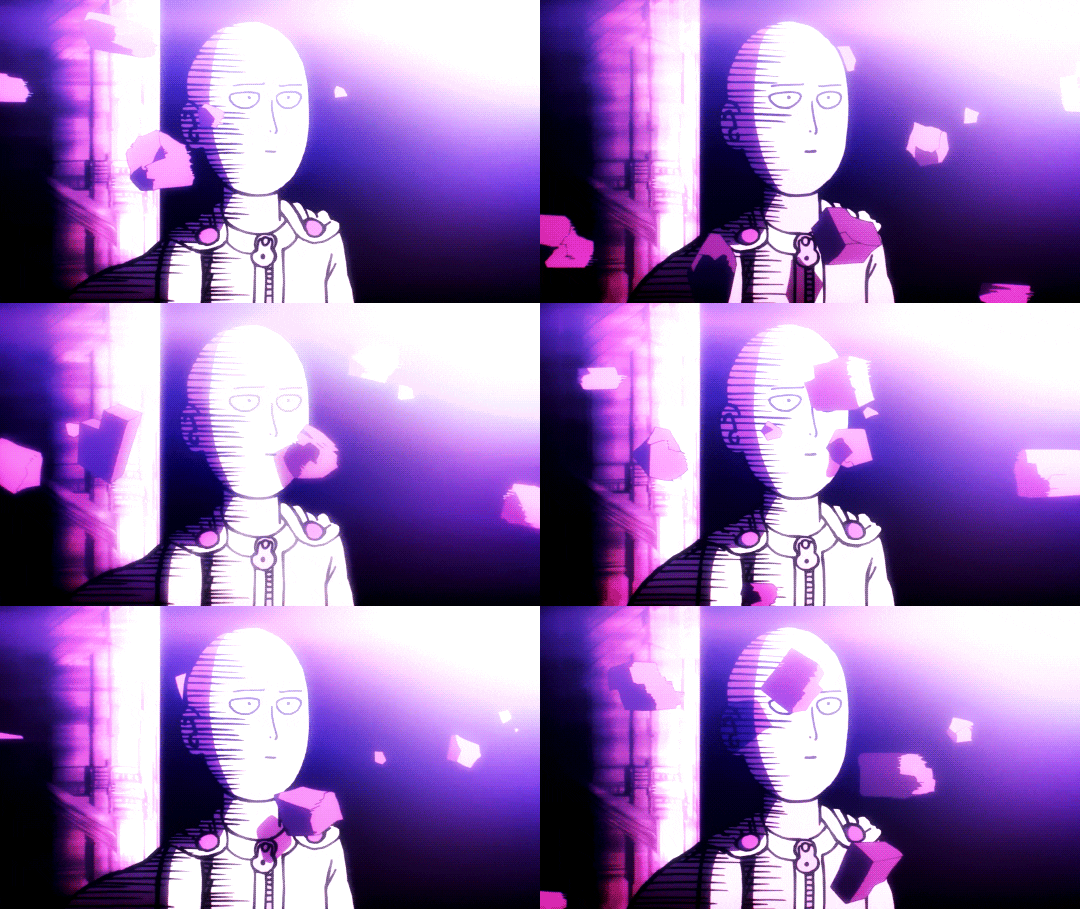
One Punch Man (2015)

AMAZING STORYLINE

The sauce for a great storyline i.e., memorable characters, good plots and satisfying ending. Anime got it all and offers, even more, anime creators aren’t afraid of pushing boundaries and going against the conventional. Once you immerse yourself into the world of anime there are gonna be more than enough shows that go beyond what you expected.

Death Note (2006)

The rivalry between a prodigy student who could kill anyone by writing their name in a notebook and a genius detective whose identity is unknown and thus cant be killed by our lead. The cat and mouse chase is filled with intensity and gives no room for a breather. Making the audience anxiously waiting to find out who will be on top.
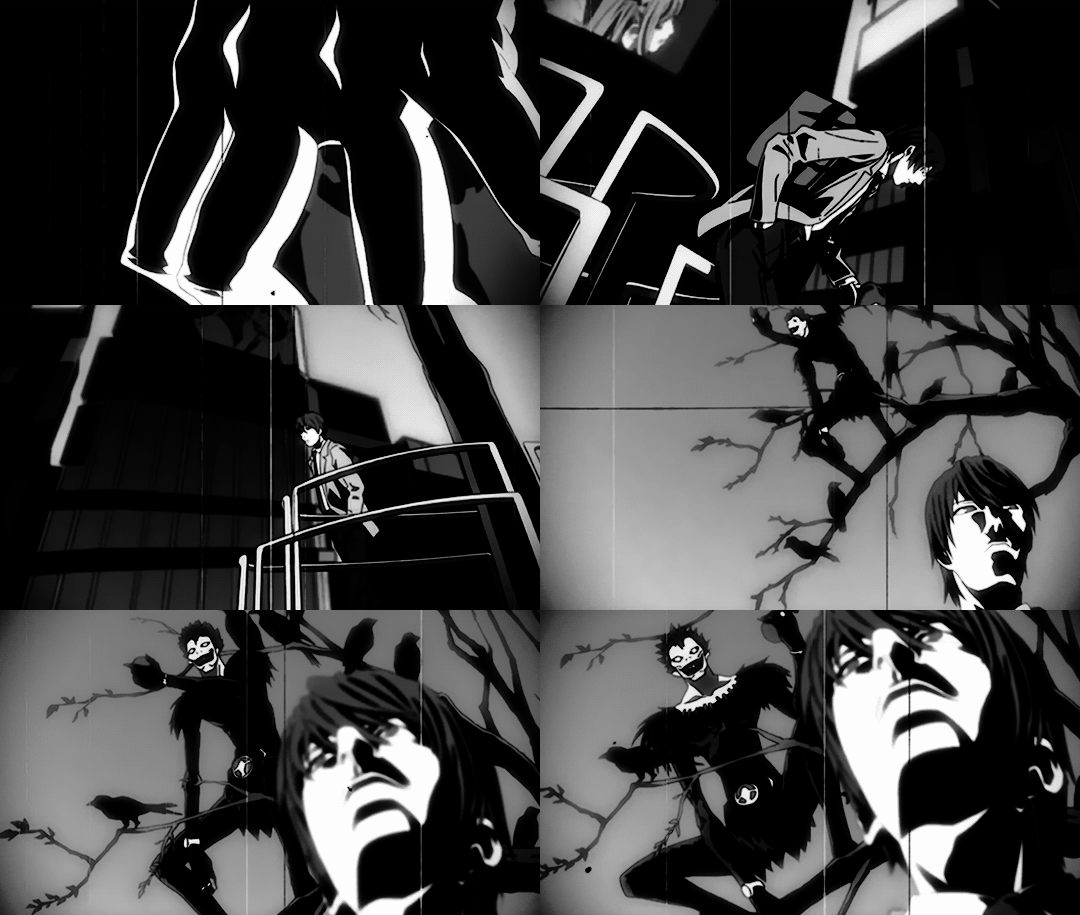
Death Note (2006)

SOMETHING FOR EVERYONE

Remembers how as kids we used to come up with the most absurd scenarios and imagine what if that happened. Well lucky us anime writers are apparently still stuck in the phase, the most eccentric storyline that you can think of there is an anime related to that. Anime offers a variety of genres for you to choose from – sports/noir/horror/comedy/thriller / psychological and much much more.

ACCORDING TO YOUR BINGEING TASTE

If you prefer something short and sweet / or dreadful (anime caters to everyone’s taste) or someone who likes to get invested in a show for the long term and loves to grow with characters.

My Hero Academia (2016-)

It is one of the most popular currently airing anime series, following the story of Izuku Midoriya, a boy born without quirks (superpowers) who dreams of being a hero, in the world where having quirks is a norm. The anime showcases his deformation to still make, it against all odds and has the viewers hooked since season one.
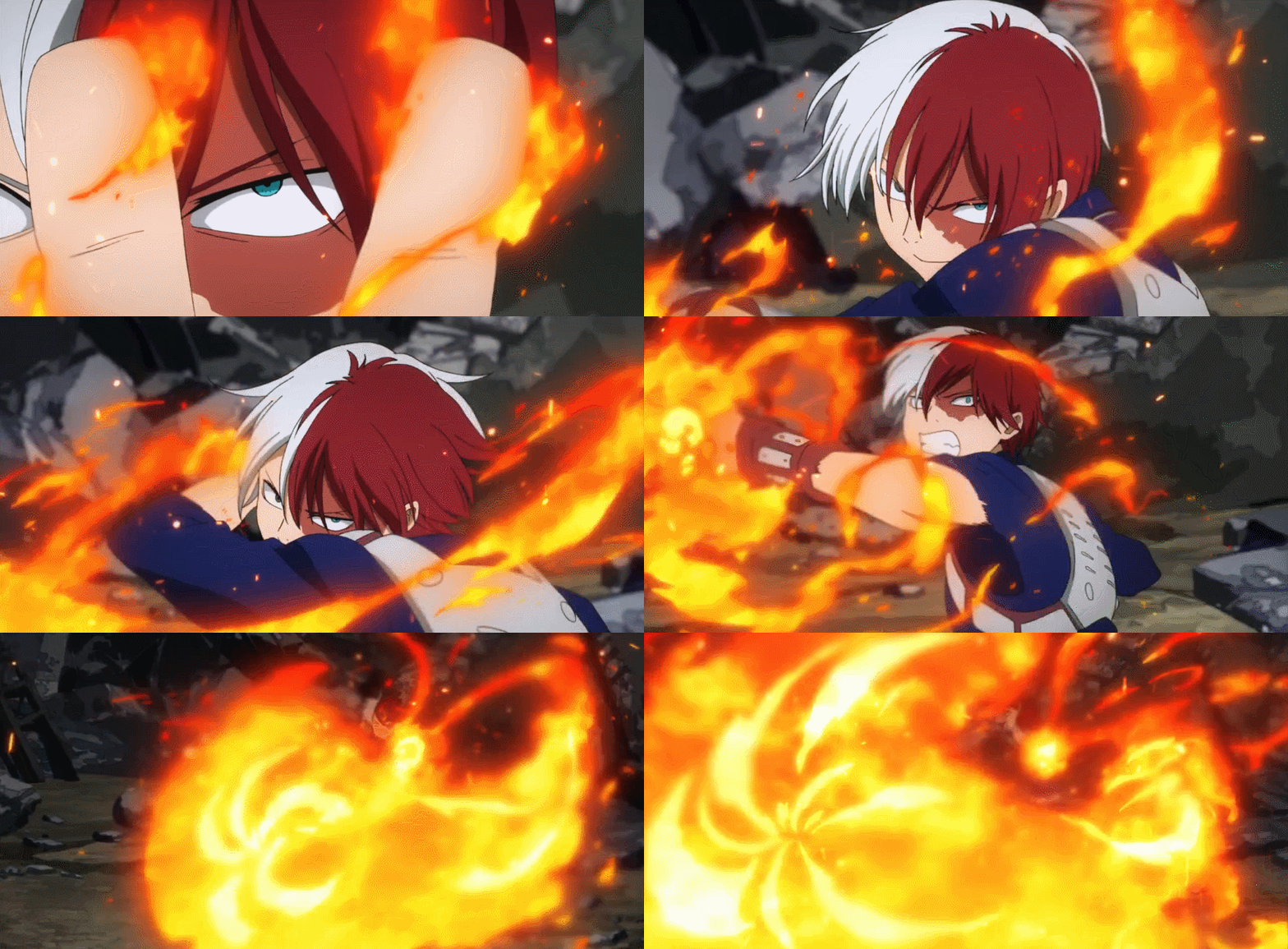
Boku no hiro akademia / My hero academia (2016-)

ANIME WOMEN!!

If you’re sick of watching the same old animations cough mostly western cough with the plot of a damsel in distress who needs some guy to come over and save her from the cruel world. Worry, not anime got your back. Anime is filled with badass lady who are not afraid to take charge of the situation and fight their way through 15 mt tall foes like balletic ninjas.

If Anime like Kill la Kill, FATE/ZERO and Attack on Titans showcase powerful women who are ready to fight in the war zones for justice and humanity. You also get animes like Sailor Moon which talks about feminism and being unapologetically feminine and still kicking ass.
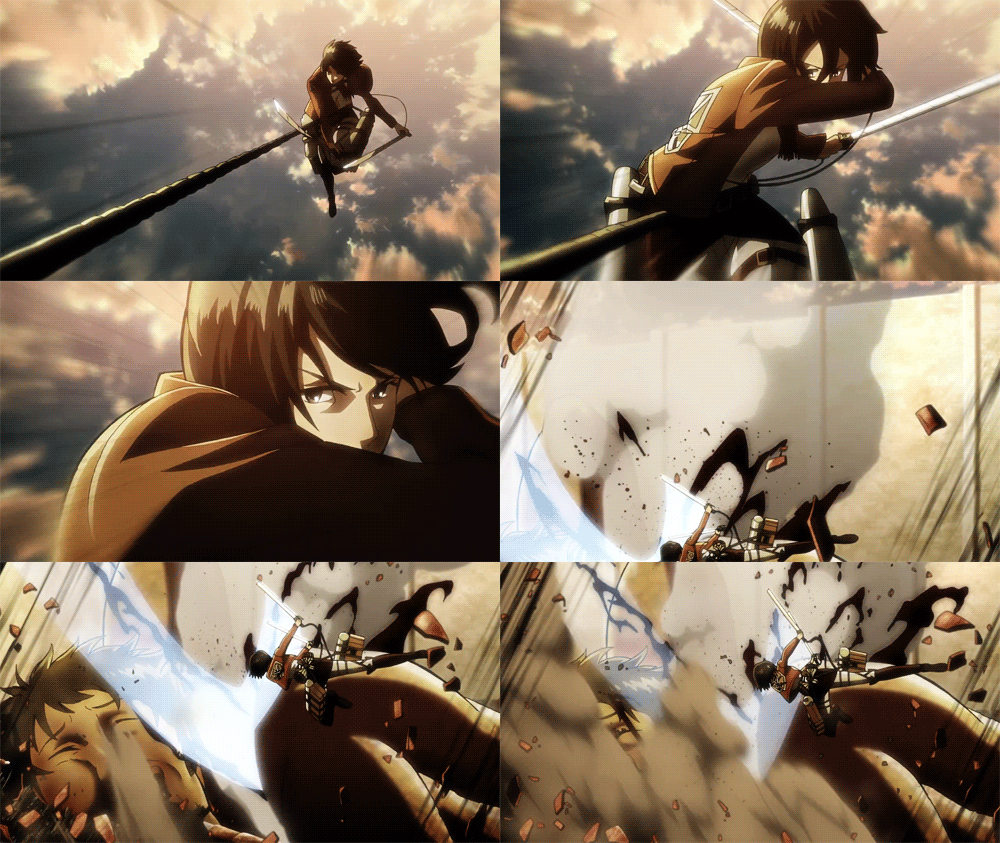
Attack On Titans (2013-)

THE FIGHT SEQUENCES

With animation the possibilities are endless, and that can be clearly seen in their fight scenes. From sword fights that summon water dragons to fists that send the enemy to intergalactic tour. Anime fights clearly pack a punch, pun intended. The flashy moves mixed with fluid animations and some killer score sets the standards really high.

Jujutsu Kaisen (2021-)

From the creators of MAPPA Studios, Jujutsu Kaisen has turned out to be one of the popular series of this year. Fans praised the studio for its brilliant adaptation and how the fight scenes went beyond the reader’s expectations.
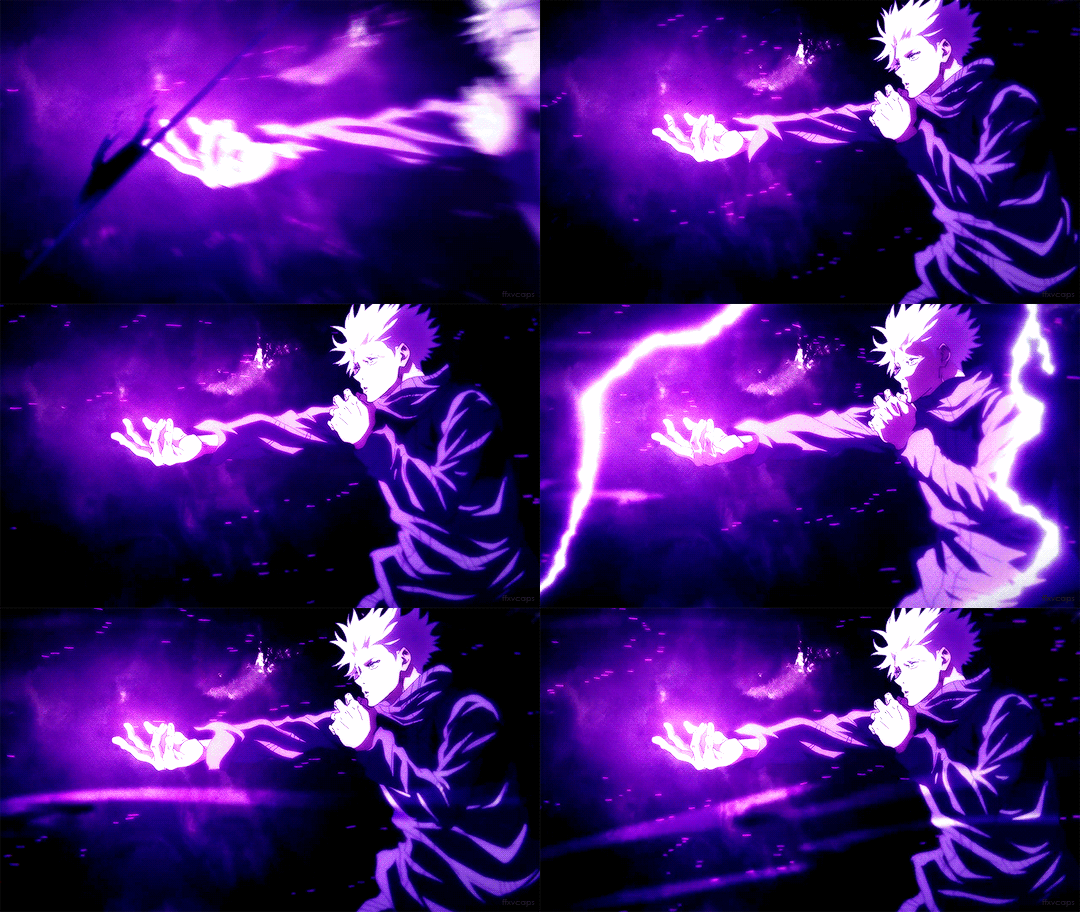
Jujutsu Kaisen (2021-)

SOUP FOR SOUL BUT MAKE IT ANIME

Moving on from action sequences that have you on the edge of your seats, anime got its fair share of comforting, slice of life series. It offers a good escape from reality and takes you on a journey of a new world filled with feel-good stories.

Howl’s Moving Castle (2004)

Howl’s moving castle is another ghibli studio classic that would immerse you ints a magical whimsical world. It’s a coming of age story of girl named Sophie and touches on topics ranging from ageing and loneliness to compassion, companionship and consequences of wars.
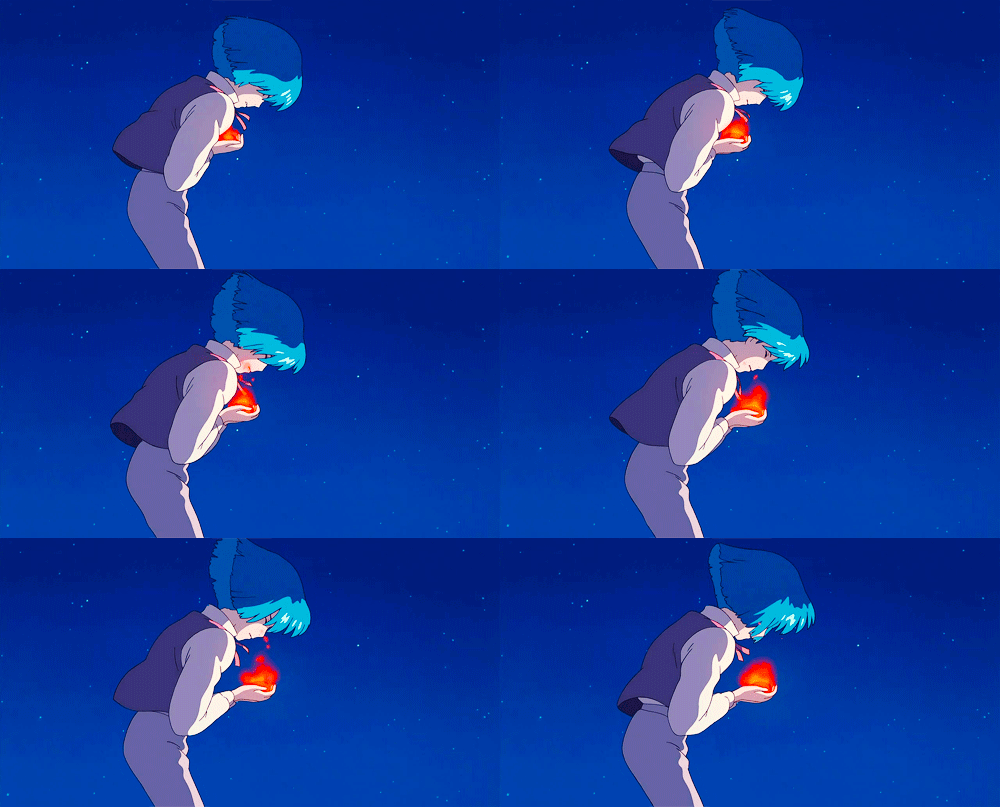
Howl’s Moving Castle (2004)

THE SIDE CHARACTERS SYNDROME

The show not only focuses on its lead but also its side characters (spoilers: there are A LOT). You see the mc and side face challenges together and learn from them. With each passing episode the characters showcase constant growth, each anime has at least one confirmed characters that you’ll get intensely hooked on and rooting for them
AMAZING SOUNDTRACK

There is gonna be a high chance that you’ll find yourself humming along to anime just after a few episodes. A catchy opening theme song is enough for people to continue watching a show. Youre going to end up discoring so many amazing songs and artists I’ve discovered just from watching one single series. The best part most anime change their opening and ending the song with each season, so expect a constant stream of good music.

TASTE OF JAPANESE CULTURE

For people interested in knowing more about Japanese culture, anime is the best place to start. Anime exposes you to what all japan has to offer, from language, traditional clothes, etiquette, mannerism and food. At the very least, you’ll learn how to exchange greetings if you meet a Japanese person, hopefully, after enough anime bingeing.

The Ambition Of Oda Nobuna (2012)

Is an anime focusing on Nobunaga, a Japanes war legend also called the “Great Unifier” who set out to unite the country and succeeded. The anime dives in-deep into the Sengoku period and accurately portrays the customs and traditions of that era.
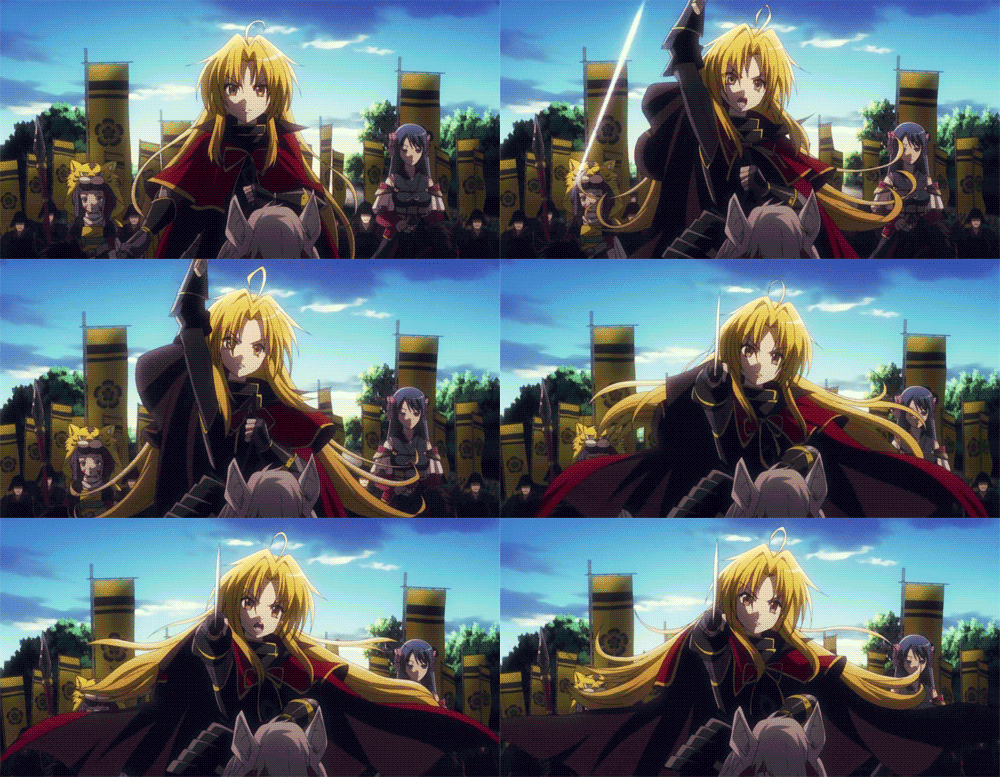
Oda Nobuna no Yabou / The Ambition of Oda Nobuna (2012)

ANIME COMMUNITY


The anime community is properly one of the biggest fandoms to exist. One can never run out of theories and predictions to read, fan art to look at and cosplays to fawn over. Join your favourite anime community across a variety of social media, Twitter, Reddit, Tumblr or discord, there’s probably a page decided to your favourite show

My Anime List – is a good forum for beginners to join, here you can log in all the animes you read or watch and interact with other users who are watching the same series as you.

SO MUCH TO WATCH

Being an avid anime watcher, since the time I knew how to change channels on television. I can confirm one thing for sure, you will never run out of shows to watch. No matter how much you scroll on Netflix, you’ll always find something new to watch or you can just go back to watch good old classics.

If you made it this far through the list, I’m going to assume you found at least one good point that has convinced you to dive deep into the world of anime.

So go forth and live your weeb life.
How virtual games like Animal crossing are becoming new social media

Social distancing by hanging out on remote islands you say??

During time like this, it makes sense for people to seek solace by creating virtual island in Nintendo Switch’s latest Animal Crossing: New Horizon. There are no huge tasks to do, or zombies to kill or cars to highjack. You can just chill on your little islands, fish chat with your friends, decorate your home, and enjoy serene environments, you don’t even have to pay rents even. It sounds like a perfect escape doesn’t it.

Player holding a vrital graducation ceremony in Animal Crossing

Looking at our current scenarios we are filled with a sense of uncertainty and lack of control. It only makes sense that people are loving it so much. There’s no social distancing, you can hang out with your buddies or if you’re an introvert like me look around the island for twigs and branches to make decors and tool. We all love a little wood accent around our houses, don’t we?


Animal Crossing doesn’t only just let you be in control of your environment but also yourself. It comes with many features that other games lack. A variety of skin tones to choose from for your character and even the option to make your character nonbinary.
Even the game won’t gender you themselves they will refer to you by your names only.

An escape from reality

Animal crossing is proving to be more than just escapist entertainment, it is also influencing how we connect during times like this. In the past where you needed to step outside, attend social gatherings and functions, and try making awkward small talk conversations, virtual meetups through pixels are the newest trend. You can either virtually hang out with them or use third-party apps to have chats. All in all this game is helping in meeting the most basic need of humans, that of connection.

Video games like these, especially the one in which you don’t require a degree in java transcript of 5yrs prior experiences allow even beginners to enjoy it. There’s no cheat you need to memorize or controls you need to learn. Overall creating a relaxing and chill environment for engagement. There’s no do’s and dont’s. If you feel like fishing, do that. Feel like decorating do that, feel like exploring the forest on a sunny afternoon, do that too.

Games like animal crossing, are created to help you destress. It creates an environment where you learn to take in each and every moment and enjoy it. A visually pleasing environment with a gentle but catchy tune making you slow down and breathe. With a touch of the real world, as if you don’t talk to your neighbors for a long time, they will miss you, A LOT.

Animal Crossing is only prooving how video games can also be used to connect and showcase yourself. Erasing the stigma around video games. For those stuck at home, this is the best way to escape the hundred of notifications you get over the recent pandemic or the constant worry over lack of control while also become part of a new community.

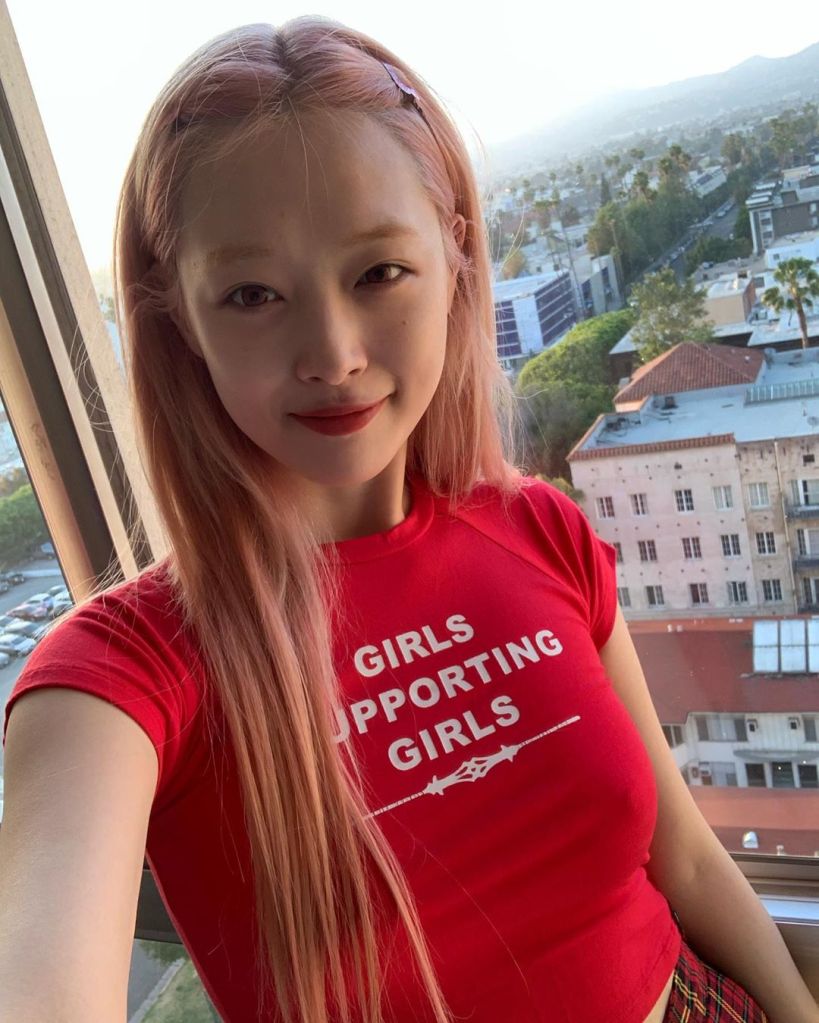
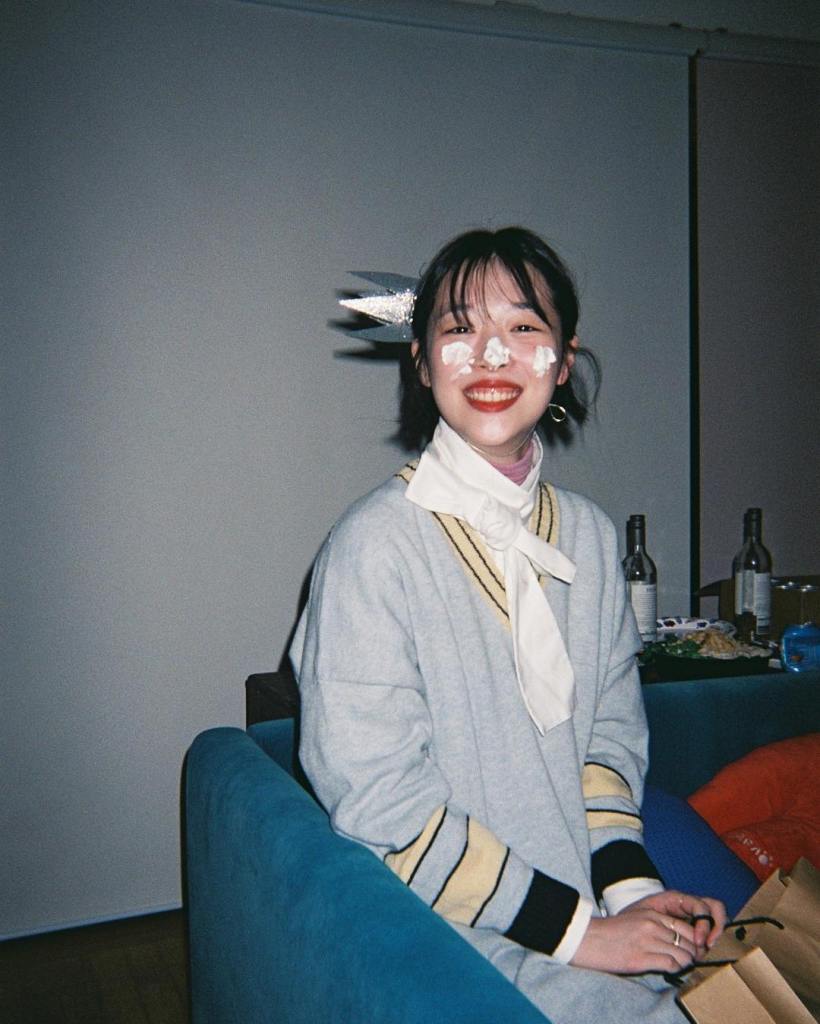
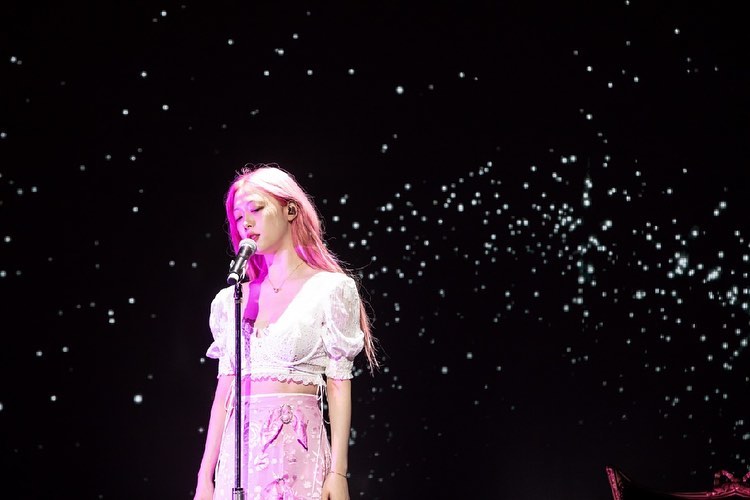
Pear Flower – Sulli

Choi Jin-ri, better known by her stage name Sulli, was a South Korean actress, singer, and model. Sulli first made her debut as a child actress, appearing as a supporting cast member on the SBS historical drama Ballad of Seodong. 

Just like her name Jinri ( “Truth”), Suli was also an existence that went beyond her name. She was someone who practised her resistance for freedom with her whole body and soul, and it shows. She spoke openly about her struggles with mental health issues, cyberbullying – and even her romantic relationships, which many K-pop stars are banned from doing by their management.

The 25 year old insisted women should be free to dress as they pleased, and she was often strongly criticised for not wearing a bra in public. She brazenly spoke out based on her own beliefs. These nonconforming, loud and bold female stars have to risk their entire career to be who they are.

Sulli was found dead at her home on Monday. The initial police report said there was no sign of foul play. Her close friends said she had been depressed before her death.

Several idols have since spoken out about the need for better support for stars in the K-pop industry, and the pressures they are under.

Sulli left this industry at a time when K-pop stars, especially women, are still not able to fully, freely express themselves without risking a major backlash from the public. While she will be undeniably missed, one hopes that not only did Sulli’s outspoken, confident way of living make a change to the traditional, harshly rigid standards that Korean celebrities seemingly must keep, but also evolve the toxic culture of online commenters that plague and taunt the K-pop stars – perhaps more than anyone may realize.

“My name is Sulli. Sul means snow and Li means a pear flower. So I’ll probably reborn as a flower that is small but full of strong vitality.” – Sulli (Choi Jin-ri) (March 29, 1994 – October 14, 2019).

A silent voice that touched the hearts of many

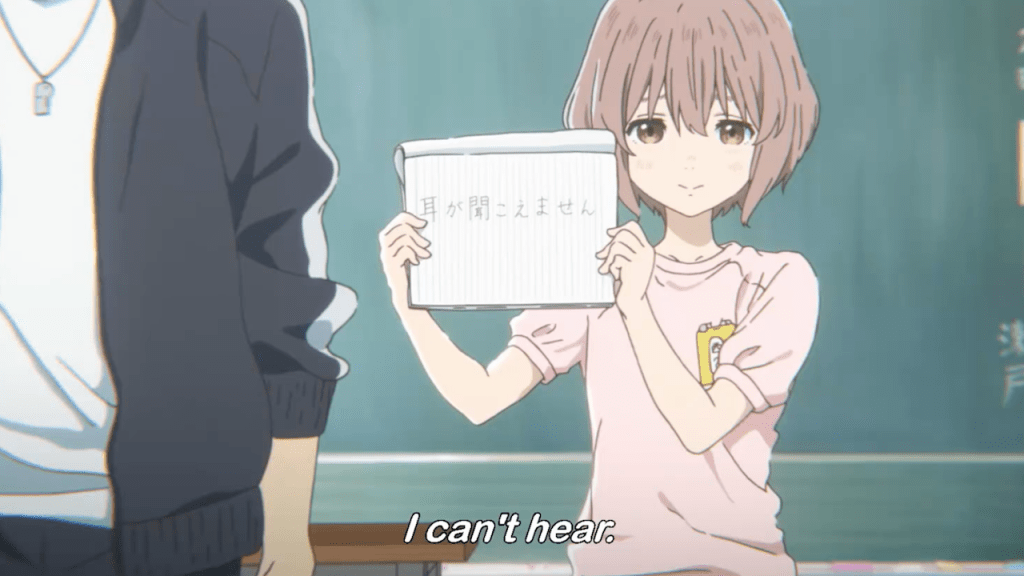
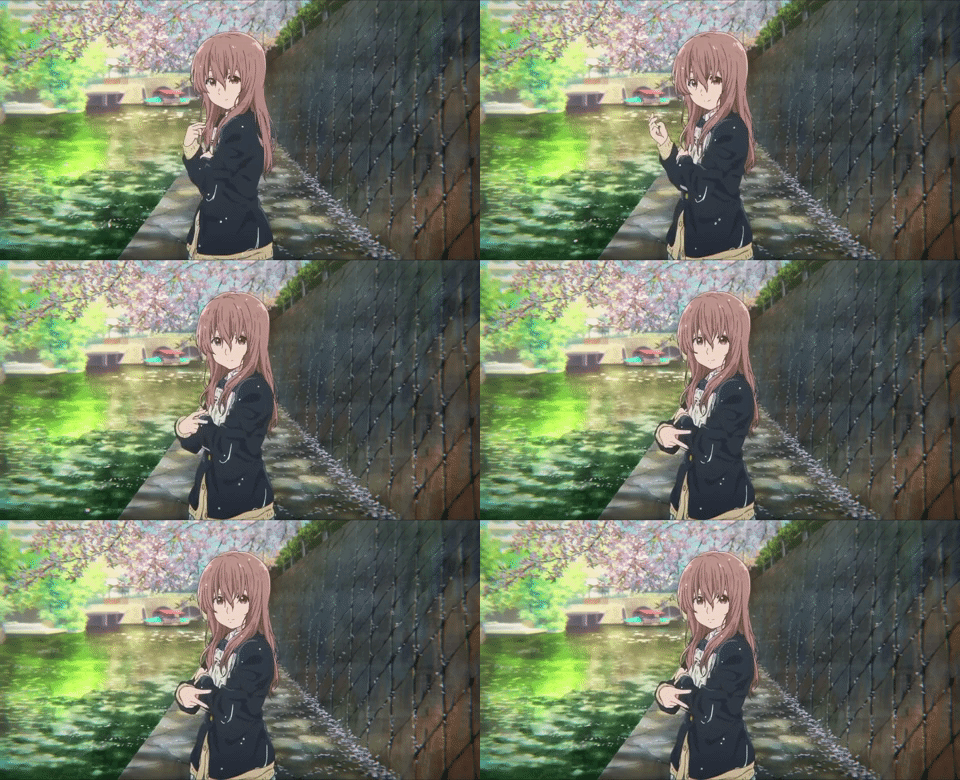
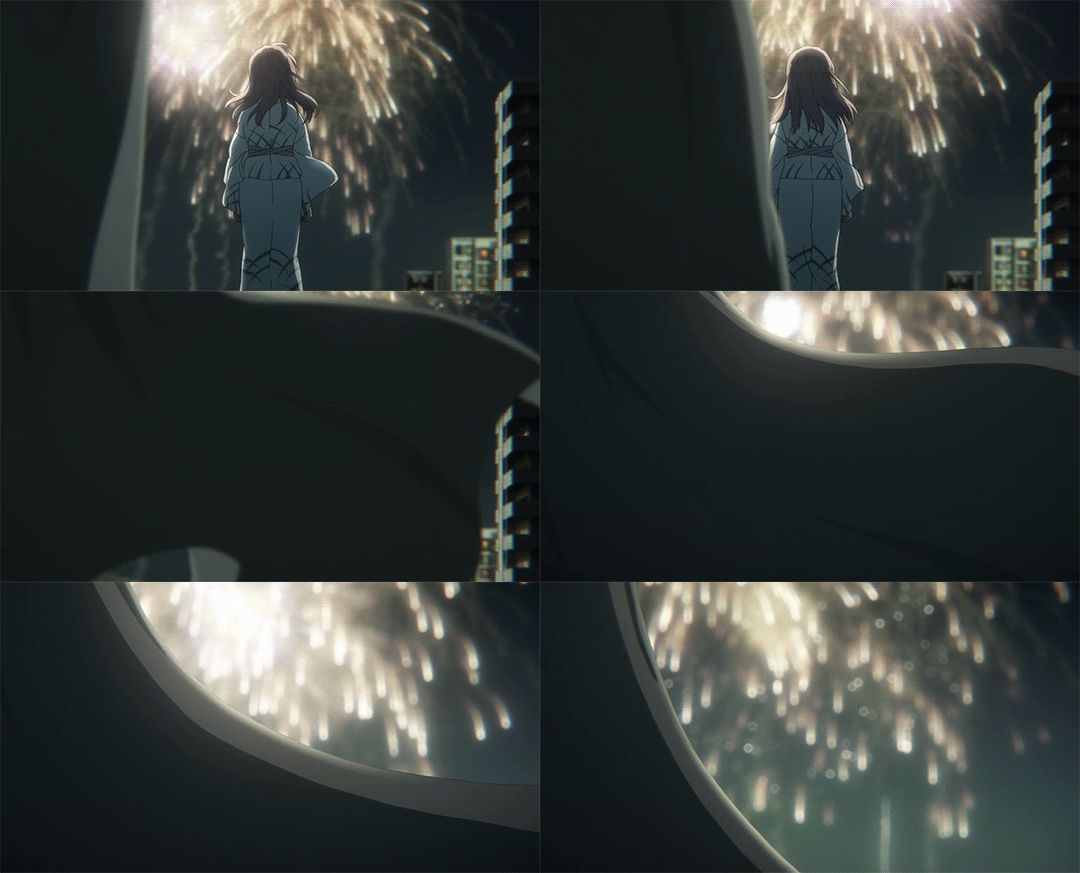
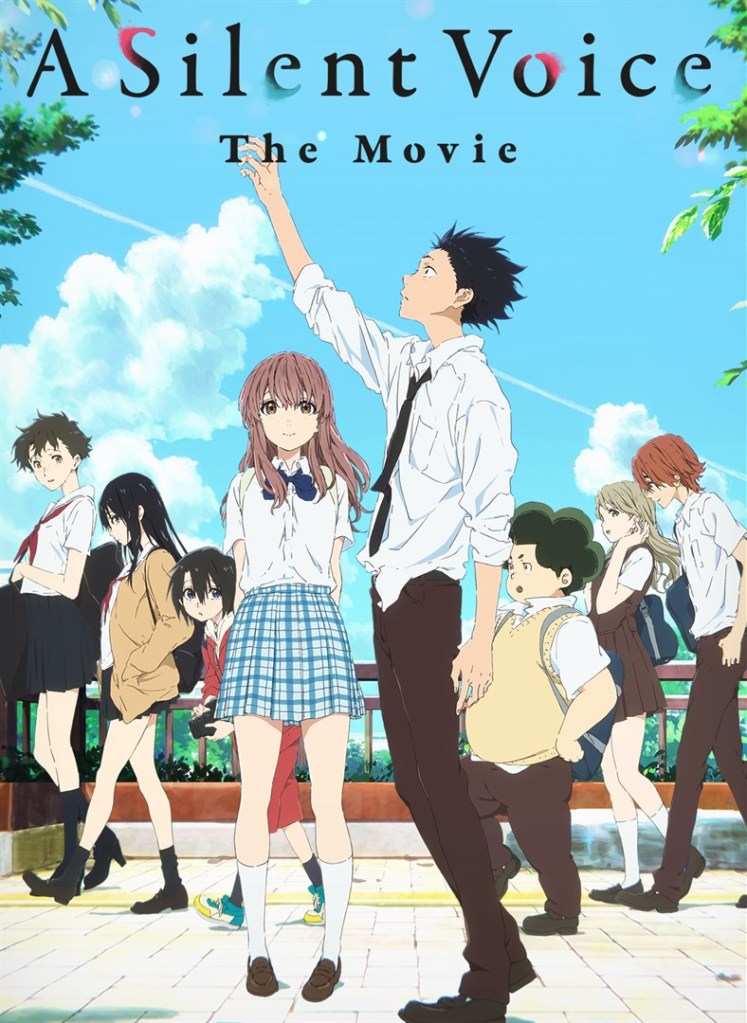
Deafness becomes a metaphor for isolation and miscommunication in Japanese anime “A Silent Voice,” which tracks the fracturing friendships in a school class when a hearing-impaired girl enters the mix. Narcissism, self-loathing, secret crushes and longing for acceptance — all the trademarks of puberty are vividly evoked in beguiling hand-drawn visuals. Moreover, the film boasts a fresh and engaging approach in tackling the ubiquitous Japanese subject of school bullying from the perspective of the bully rather than the victim. The third feature directed by Naoko Yamada has roped in nearly $20 million domestically and reverberated into cinemas in territories all over Europe, Latin America and Asia; it may create as much noise internationally as Japanese phenomenon “Your Name.”


Set in Oima’s hometown Ogaki, in Gifu Prefecture, the story proper begins at elementary school when Shoko Nishymiya (voiced by Saori Hayami) arrives as a transfer student. The teacher encourages the class to befriend her, but after a few half-hearted efforts, everyone soon tires of having to communicate by writing in her notebook. In a few casual scenes, the film traces how social-ostracization doesn’t happen overnight but begins with the victim’s ‘difference’ which triggers minor irritation, impatience and eventually intolerance.


In the manga, Shoya’s initial attitude toward Shoko is one of curiosity, but he doesn’t know how to reach out to her. Of course, it’s common for prepubescent boys to tease girls they daren’t admit they fancy. But this is not as clear in the movie version, making some of Shoya’s actions, like tearing her hearing aid away so her ear bleeds, quite disturbing.
Even more insidious is the peer pressure at work, such as with Shoya’s buddy Shimada who never initiates but laughs along with his pranks, Nanoha Ueno who’s a willing accomplice, and Miki Kawai whose insincere protestations on Shoko’s behalf only egg the bullies on. When Shoko, who’s finally had enough, flares up in one scene, the impact is heart-stopping.
The film’s unflinching depiction of teenagers’ covert cruelty culminates in a riveting turning point when Shoya realizes that whatever goes around comes around. The advantage of the audience experiencing this from Shoya’s vantage point is that one sees the psychological impact of bullying — that it scars the bully as much as the victim. While Shoya is consumed by anger from the start, the latter part of the film slowly chips away at his outward persona to reveal his unconventional family background and other insecurities vis-a-vis his more popular classmates.


The saga continues five years later when the protagonists have gone on to different high schools. Shoya, who’s become a loner, unwitting wins the undying loyalty of Nagatsuka, a bullied boy, who helps him reconnect with Shoko. Since Shoko’s still got a chip on her shoulder about her disability, Shoya tries to re-assemble the old gang from junior school. Sadly, the reunion only rips open old wounds and reignite rivalries. In the manga, the group was brought together through a filmmaking project, which provides a stronger plot structure. With this omitted in the movie, the characters’ confrontations seem a tad random, but their emotional trajectories unfold more organically.
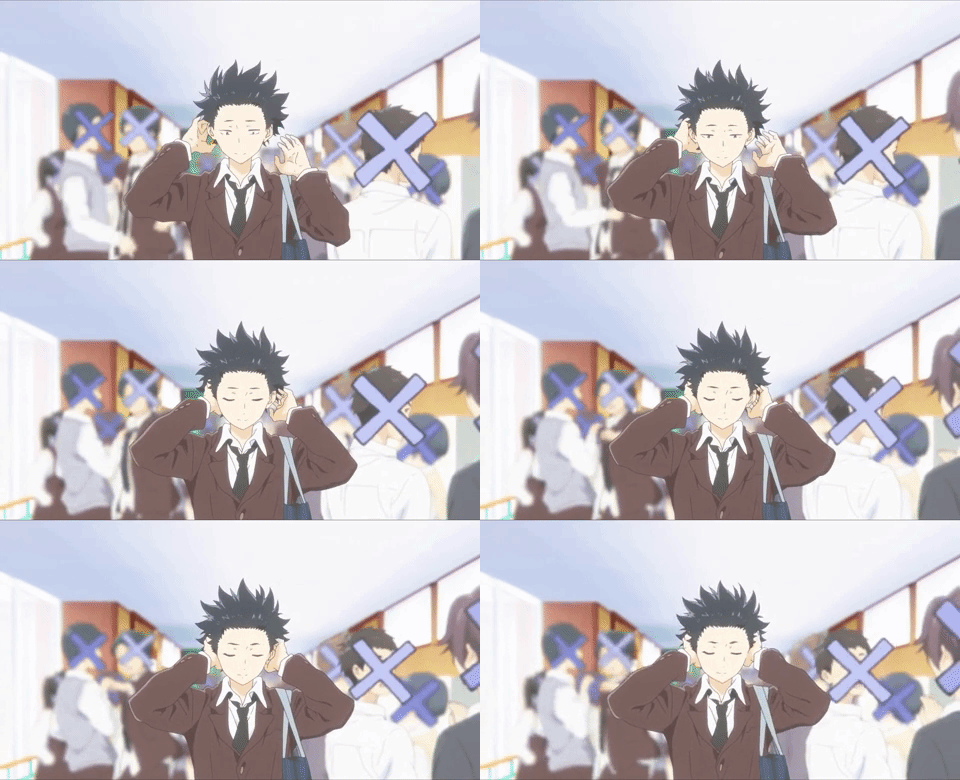
The non-realist nature of animation makes it an ideal medium for conveying the sensual and sometimes scary experience of growing up. For example, Shoya’s sense of his outcast status is quirkily symbolized by his vision of big blue crosses slashed across his classmate’s faces. During a confessional scene that takes place atop a roller-coaster, the frame practically vibrates, echoing the protagonists’ inner turmoil with the tensile sensation no live-action wobble-cam can.


Illustration supervisor Futoshi Nishiya reportedly tried to create a style that’s somewhere between super-realism and Deformed. The lush, softly outlined hand-drop of rivers and bridges showcases Ogaki’s reputation as a City of Water, while his pretty character designs provide impressive continuity through hairstyles and body language as they transition from tween to teenager. Although the movie’s midsection could do with some tightening, Kengo Shigemura’s editing is racy and cinematic. The lightly electronic vibe from composer Kensuke Ushio concocts just the right mixture of peppy and romantic.
The Japanese title, which means “The Shape of Voice,” reflects the central theme that communication and bonding can take many forms.

UNICEF – Love Myself

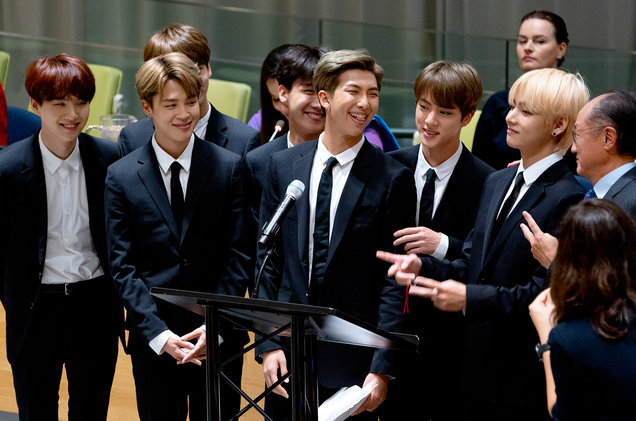
BTS joins hands with the United Nations Children’s Fund (UNICEF) to stage campaigns against violence toward children and teens around the world, with the hope of making the world a better place through music.

LOVE MYSELF campaign launched

The campaign idea was introduced by the group as a sponsorship to #ENDviolence, a UNICEF global campaign aimed at the protection of young people so they can live without the fear of violence


“In the year since UNICEF and BTS joined together to eradicate violence against children, we have raised over 1.6 billion won,” said UNICEF Korea in a statement. “During it, they have continued to spread their positive influence, such as with the UN General Assembly ‘Speak Yourself’ speech.”

BTS attend a meeting during the 73rd session of the United Nations General Assembly at U.N. headquarters on Sept. 24, 2018. 

The Love Myself campaign has raised funds based on direct donations and a percentage of the income from the Love Yourself series and other related goods. At the launch of the event last year, BTS and its label Big Hit Entertainment announced they planned to donate 500 million (around $447,000 USD) KRW.

Though it’s not updated in real time — it currently states that the fund has accumulated 1.15 billion KRW — the Love Myself website has recorded over 6.7 million uses of the hashtag #BTSLoveMyself.

BTS LOVE MYSELF – Campaign video

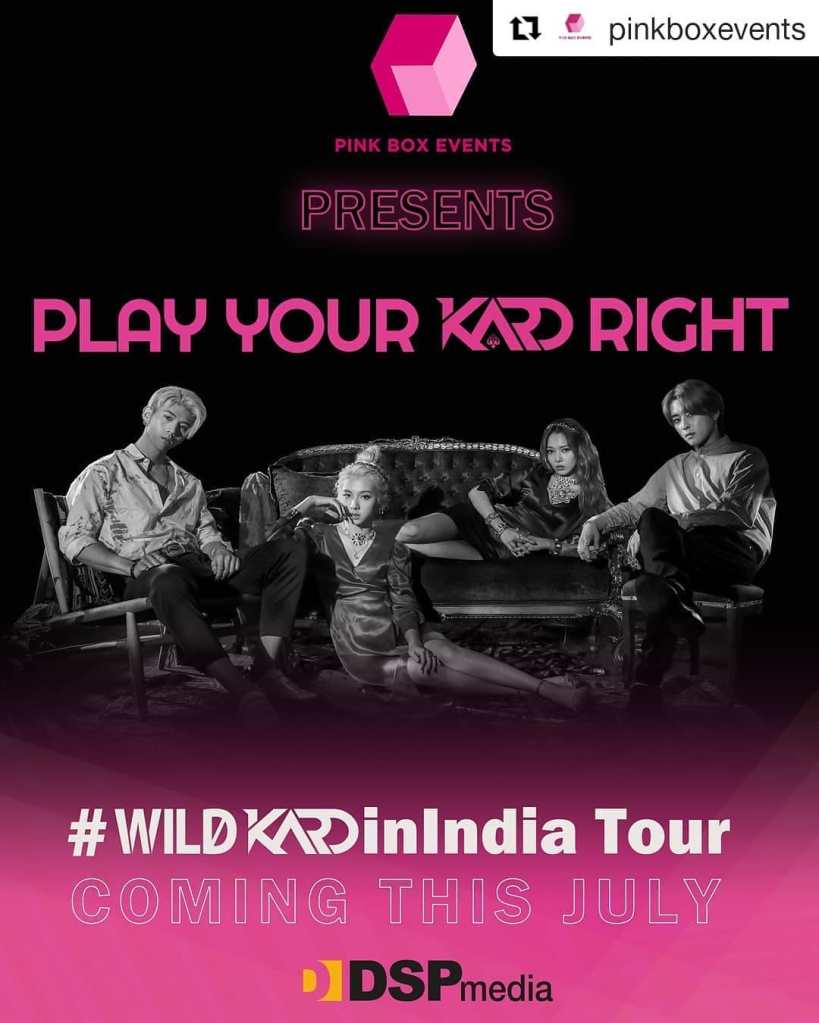
Play your KARD right

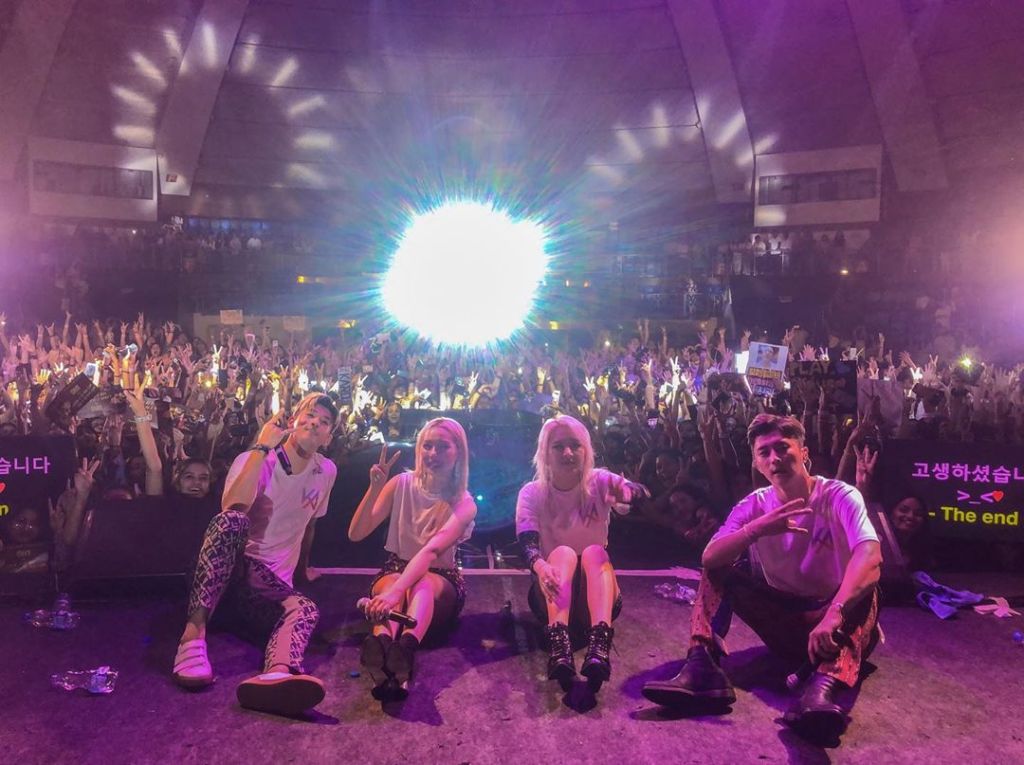
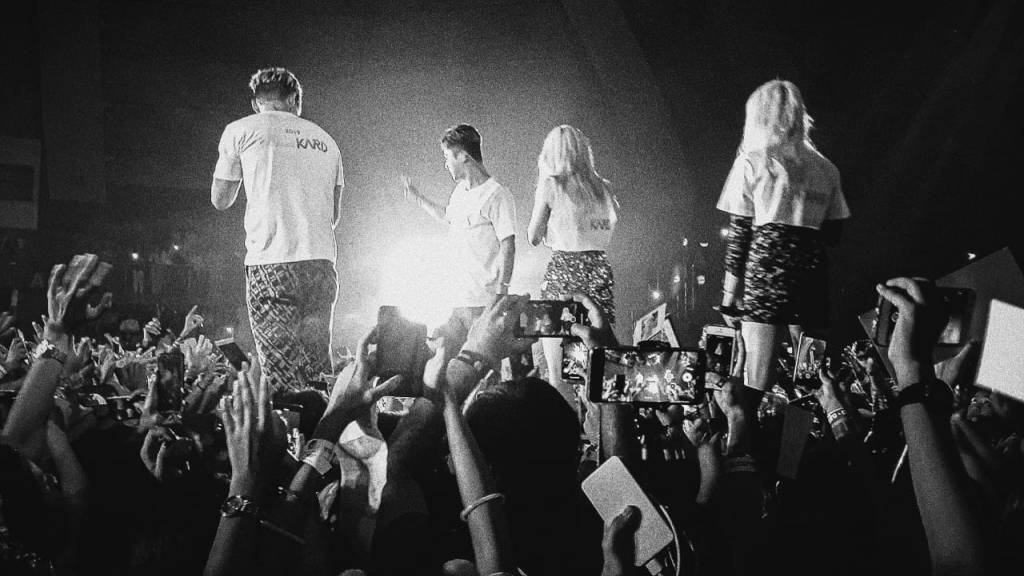
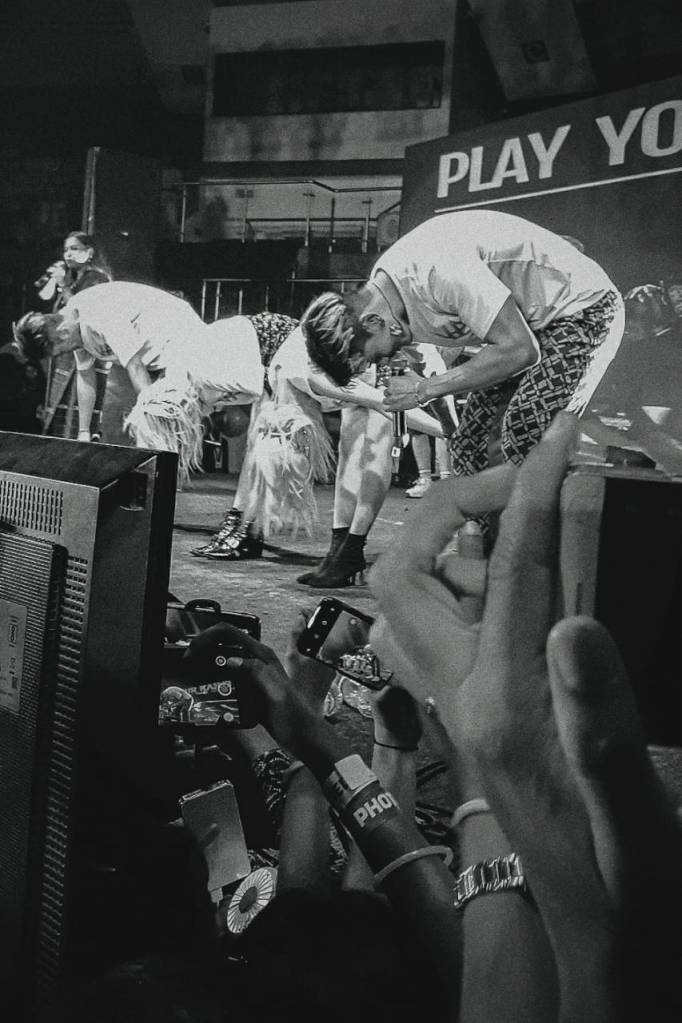
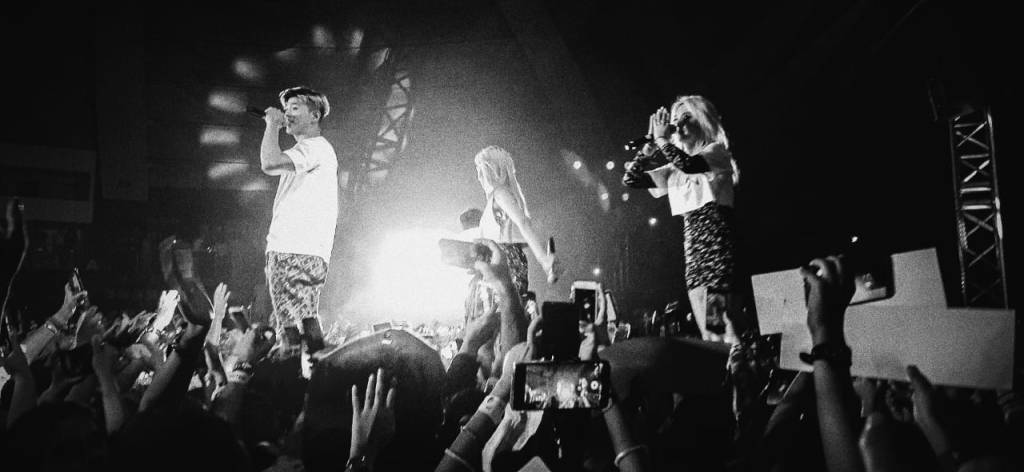
Indian K-pop fans were in for a treat when famous gathering KARD performed in – New Delhi and Guwahati – this July.

With two K-pop visits previously finished over the most recent couple of months alone (IN2IT kicked things off in April while VAV pursued not long after in May,) India is in for a significantly greater treat. The gathering comprises of four individuals B.M, Jiwoo, J.Seph and Somin–and took off even before their official presentation in 2017, increasing a monstrous worldwide after gratitude to their exceptional dancehall sound and co-ed idea an invigorating difference in pace in the K-pop circle.

KARD in New Delhi, Talkatora Stadium

They’re likewise one of the most well known K-pop gatherings in India with fans clamoring for a show in the nation by means of remarks on the gathering’s web based life pages and different petitions on the web.

The individuals themselves have likewise recently communicated enthusiasm for India; a clasp of rapper J.Seph endeavoring to cover “Rab Ne Bana Di Jodi” from the 2008 film of a similar name turned into a web sensation in 2017.

Inside the soulful world of spirited away

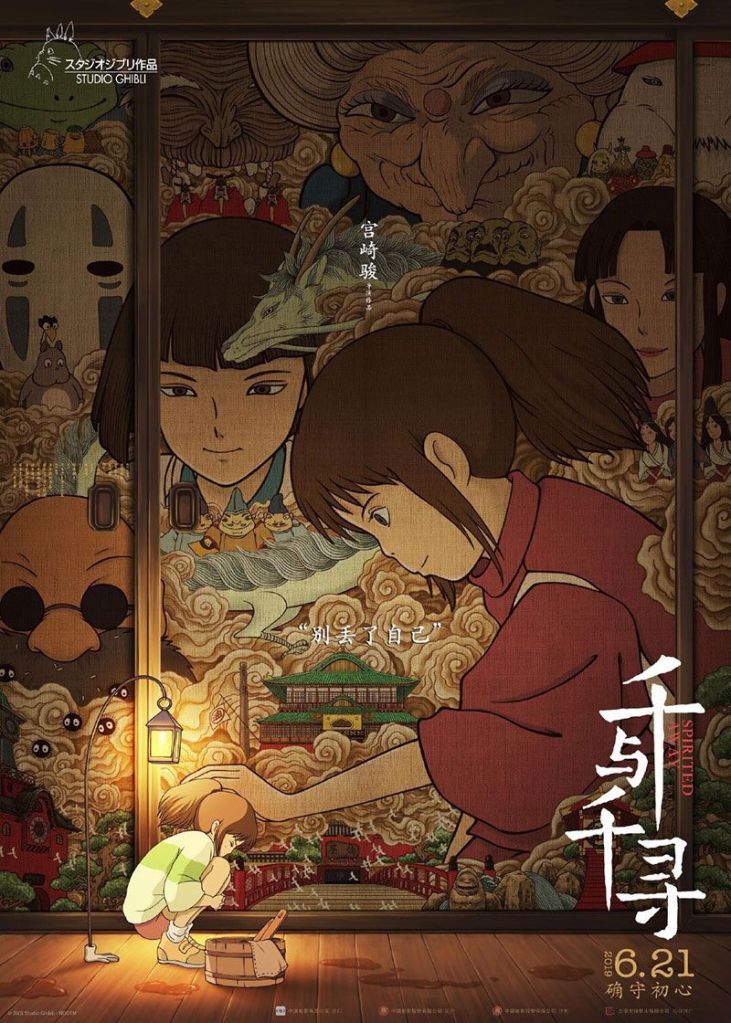
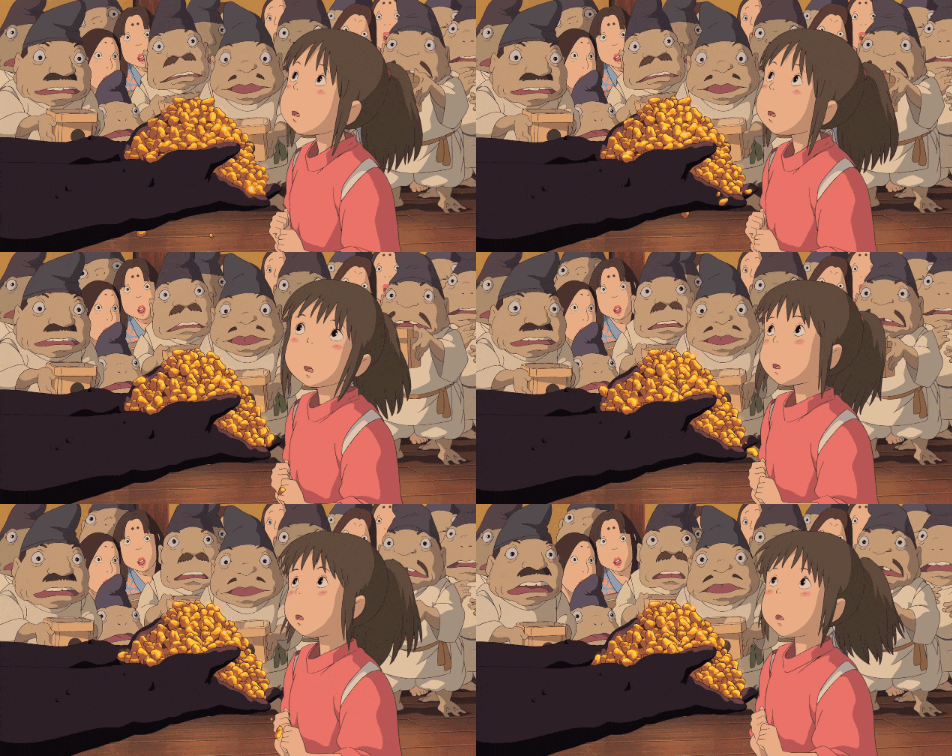
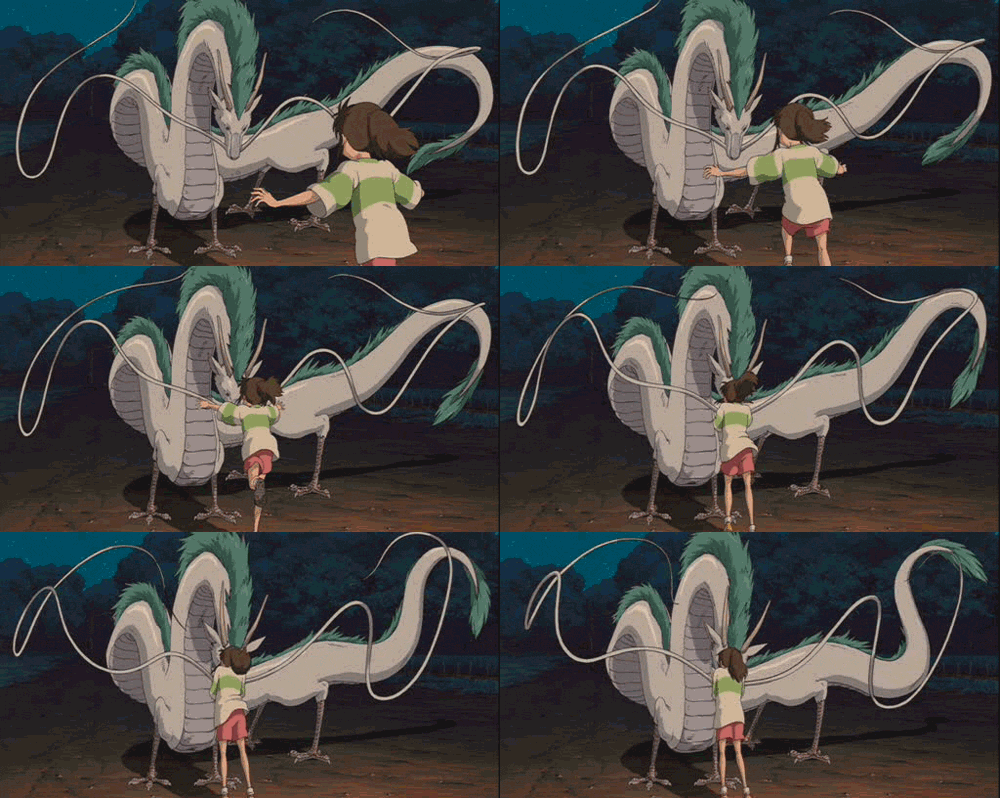
Spirited Away, is a 2001 Japanese animated coming-of-age fantasy film. It was written and directed by Hayao Miyazaki, animated by Studio Ghibli. Spirited Away tells the story of Chihiro Ogino (Hiiragi), a moody 10-year-old girl who, while moving to a new neighbourhood, enters the world of Kami (spirits) of Japanese Shinto folklore. After her parents are transformed into pigs by the witch Yubaba (Natsuki), Chihiro takes a job working in Yubaba’s bathhouse to find a way to free herself and her parents and return to the human world. The film was originally released in Japan on 20 July 2001 by distributor Toho. It became the most successful film in Japanese history, grossing over $361 million worldwide.
There’s so much to Spirited Away that it’s tough to tackle it from one angle. The first part of this piece will discuss how the film practically redefines what we should expect from animation (traditional or digital). The second part will dig into the film’s themes and ideas to see how Spirited Away not only entrances us with its visuals but also with its content.


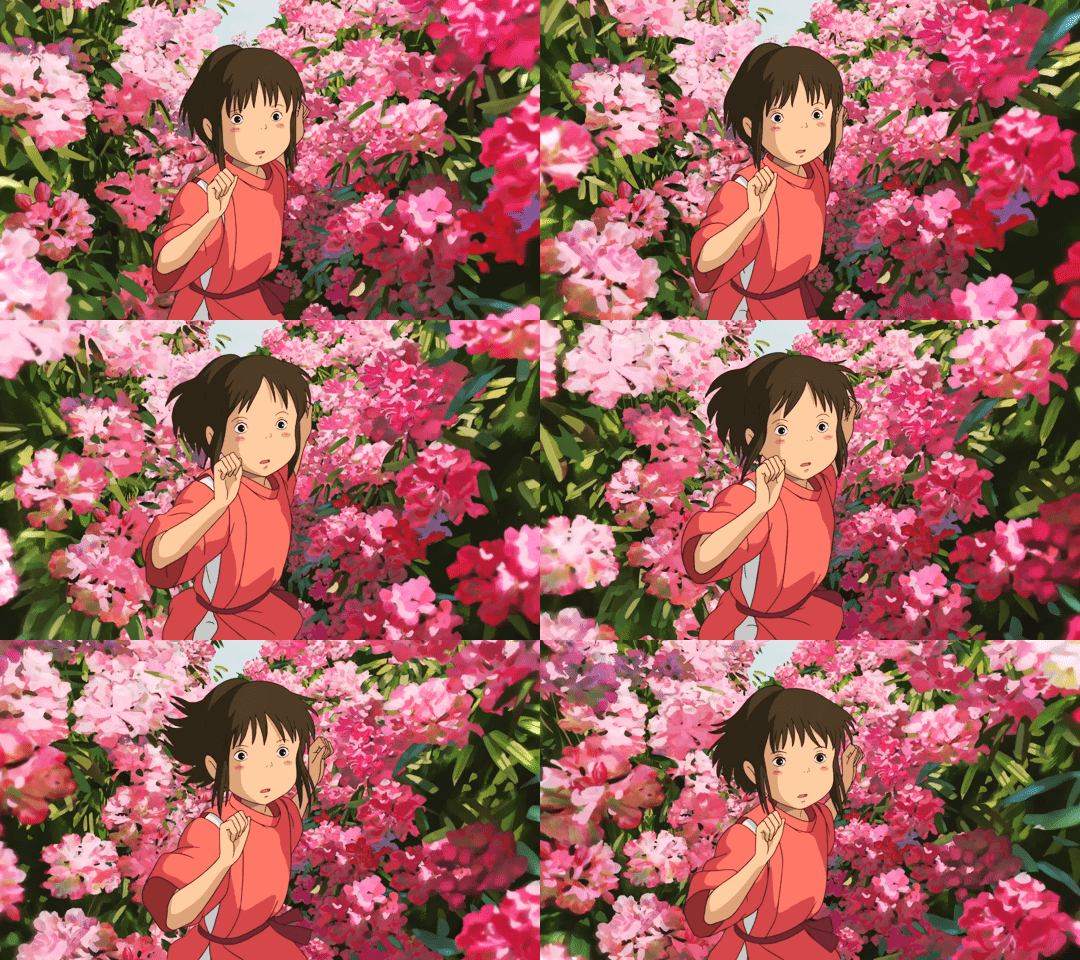
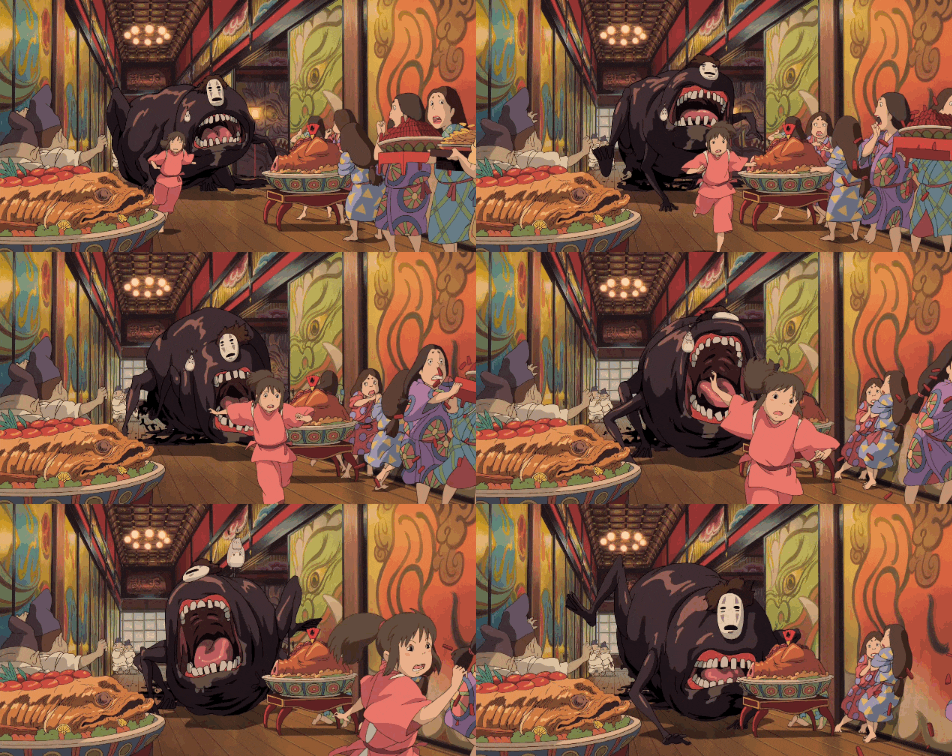
The one thing that is most impressive about Spirited Away is how alive almost every frame of animation is. Even the hand-drawn backgrounds, which are devoid of actual movement, sparkle with life. This “life” is present in large scenes like our introduction to the bathhouse where what seems like hundreds of different and creative spirits are congregating. Every aspect of a big scene like this throbs with motion, creating an animated film that feels more alive than most non-animated ones. We’re thrown into a massive world of ideas, but the attention to detail on every subject we see is stunning.
It’s this detailed view of the world that separates Spirited Away’s animation from all others. Large scenes, like the introduction to the bathhouse, play out in animated films all the time, but the smaller scenes that are routinely present in Spirited Away do not. Take the Susuwatari (tiny, living dust balls who man the bath house’s furnace). While they play a role in the film, many of the scenes are almost completely irrelevant to the actual plot. Instead of attempting to move the story along as fast as possible Miyazaki pushes instead to establish a world by paying attention to (admittedly adorable) minutia. Most animated films veer away from the extra movement in a scene as it means extra animation work, but Spirited Away not only puts extra animation into pivotal scenes but also adds entire scenes that are not “needed.” In this way Spirited Away doesn’t just tell a story, it creates a world.

It’s an amazing world to look at, too. Miyazaki understood this and it’s so blatantly clear from the film’s direction how much the fine folks at Ghibli love what they do and the art of animation. This is apparent throughout the film, but once again it’s the less obvious scene that makes the point. Take Chihiro’s family’s first steps into what they think is an old amusement park. The family walked into what looks like a small train station or waiting room. Instead of a quick establishing shot to the outside of the building to show where they are, the camera slowly pans across the beautifully painted background as if it is savouring every brush stroke. It then cuts to a shot of light streaming through one of the room’s windows. It’s not a special window and it doesn’t have any real purpose, but it might be one of the most important shots for establishing tone in the film. This devoted focus on presenting the art behind the film is not only a testament to Ghibli’s love of the medium, but creates a deeper world for the viewer to get lost in.
Beyond becoming fully immersed in the world, what is there to understand? Surprisingly, a lot. Even more surprising, for a film released in 2001, a lot of relevant issues crop up today. Looking at Spirited Away at its most basic level we see an adventure about a girl. Peeling back that level the film opens up to two other interpretations. The first is pretty easy to notice: growing up. Taking a cue from Alice in Wonderland, Spirited Away turns the awkward move from childhood to adulthood into a fantasy metaphor. Anyone with even a cursory viewing of the film can easily see Chihiro’s growth from a scared girl crying out to her parents to a mature child growing into herself. She falls in love, learns about loss, and through her interactions with the spirits in the bathhouse discovers that the world isn’t so black and white. Played against the foil of Yababa this growing up metaphor becomes even stronger. Yababa steals Chihiro’s name effectively killing her child self and is the mother who won’t let her child grow up in contrast to Chihiro, who is forced to.


That metaphor is pretty obvious though as it’s part of the plot as well. What stood out for me upon my re-watching of the film this time around is how much it speaks to societies flaws, the burned economy and the constant pull between the past and the present. I’m sure these things have been noted before, but it’s incredible how much more appropriate they seem today after our current financial crisis. In 2001, Japan’s economy was already crumbling so many of the economic themes of the film relate to that originally, but are now all the more appropriate post-Great Recession. The bathhouse, in general, can easily be interpreted as the pre-recession economy as it explodes in wealth and luxury. No Face, a creature who usurps the identity and actions of those around it, sees the overwhelming consumption of the bathhouse (and to a lesser extent Chihiro’s parents) and duplicates it. In the process of his non-stop consumption, he destroys the very house that is feeding him and yet no one thinks to stop him until it is too late. This interpretation of the film puts Chihiro squarely in the role of the “next generation.” Much like a college student graduating into a depressed economy where they’ve been promised a job, she comes kicking and fearful into the bathhouse unsure of what or where she is supposed to go. However, she eventually recognizes the issues with the culture of the place she is in and realizes that personal sacrifice and growth are the only way to change what is happening around her. Her maturation as a person is what the film believes society needs to do to move beyond where we are. While the film has a clear and obvious fascination with (if not love for) Japanese past, it’s Chihiro, a modern child, who must act to move the world forward.

Life of a Grim Storyteller

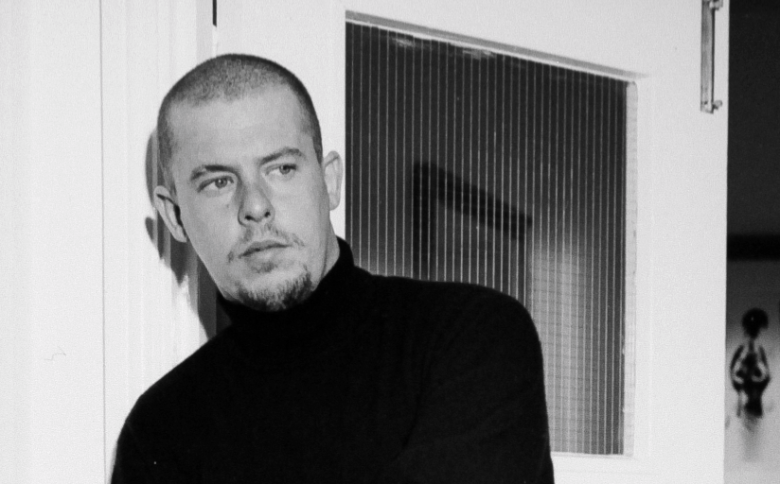
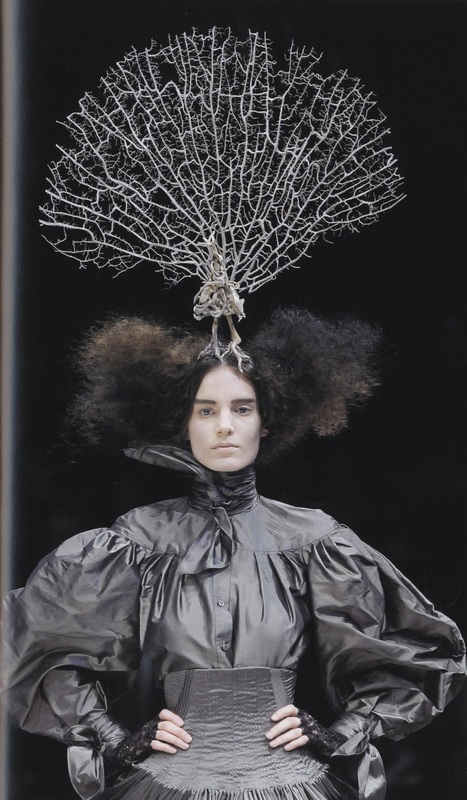
Alexander McQueen

“Life to me is a bit of a Brothers Grimm fairytale,” – Lee Alexander McQueen (1969 – 2010)

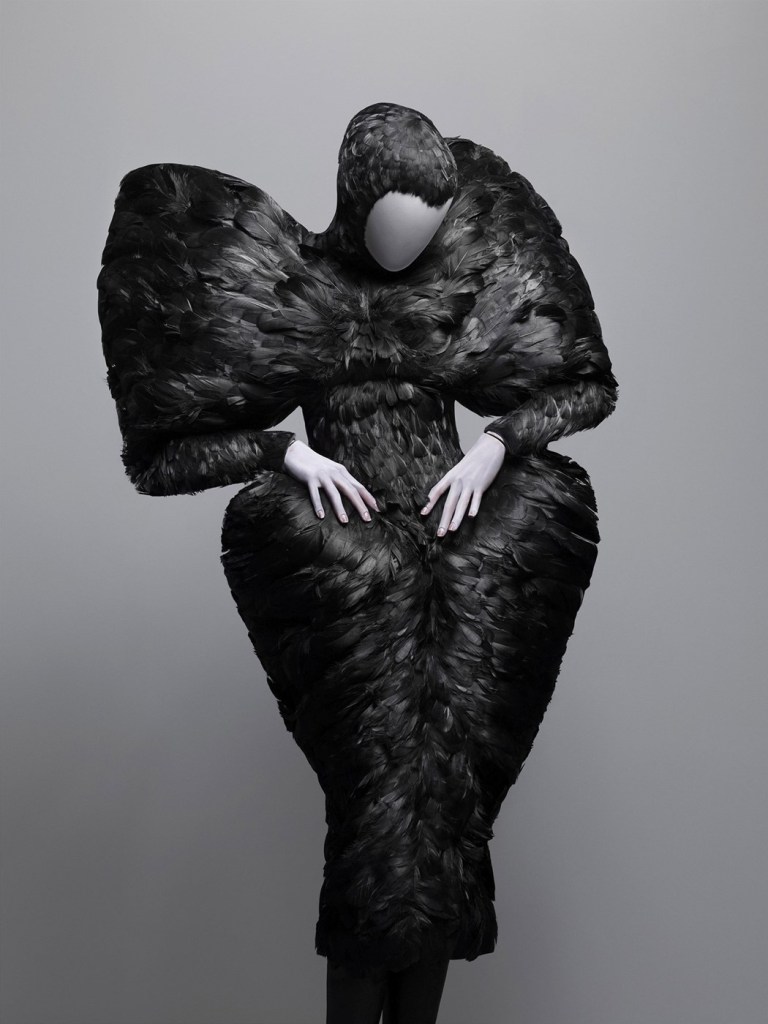
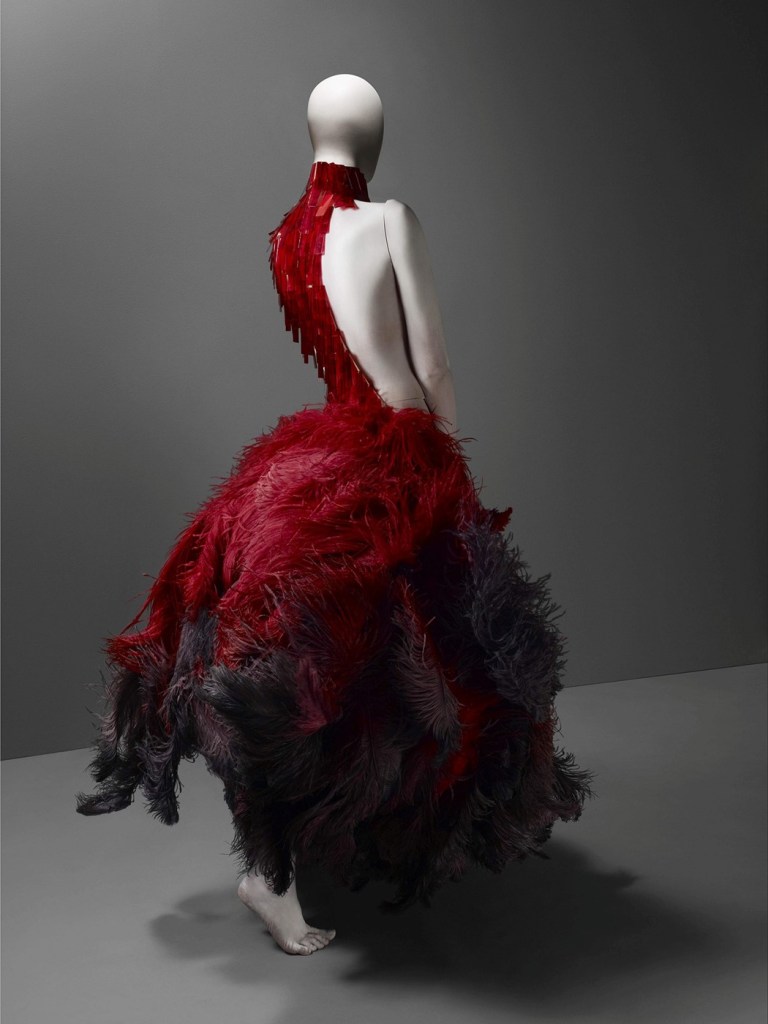
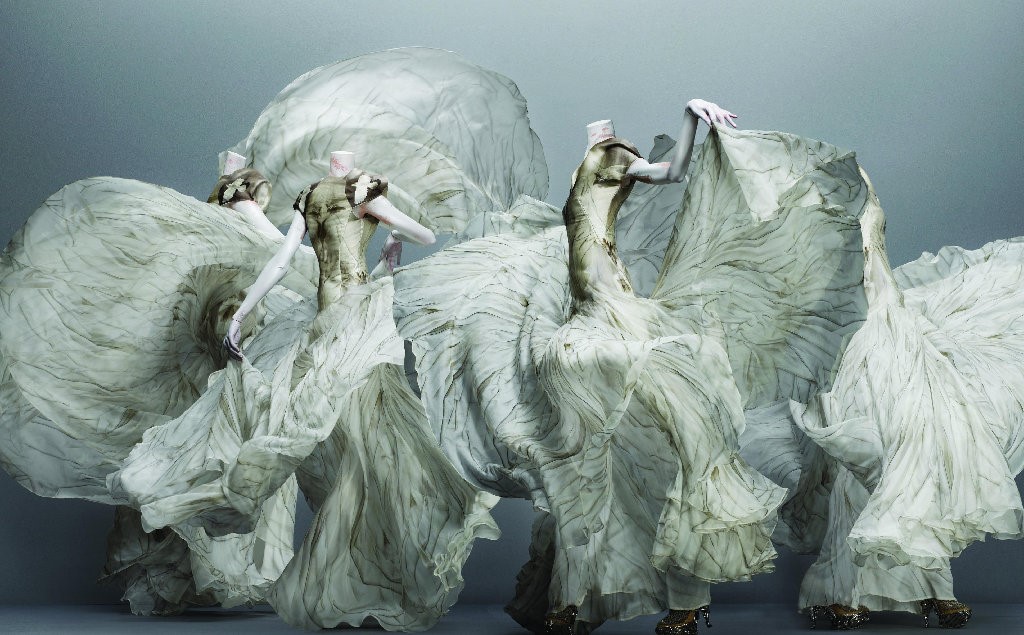
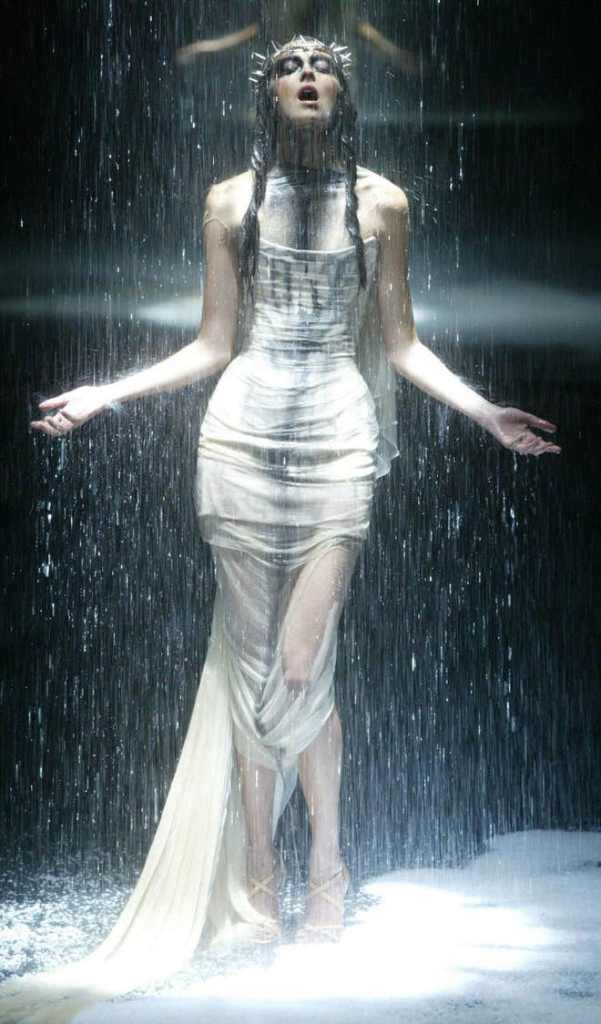
The British designer has certainly lived a life of a fairytale if we look at his rag to riches story, but unlike most fairytale, we read bout he never made it to a happy ending as the designer tragically died in 2010. McQueen’s meticulously crafted designs and theatrical catwalk shows pushed the boundaries of fashion into art, making him one of the most visionary designers of his generation.

McQueen worked as chief designer at Givenchy from 1996 to 2001 and founded his own fort Alexander McQueen label in 1992. Many of McQueen’s designs were imbued with a strong Gothic sensibility. He loved the Victorian era and its attendant melancholia. And it’s no surprise that McQueen felt a kinship with American film-maker Tim Burton, who is also known for his works of dark fantasy.

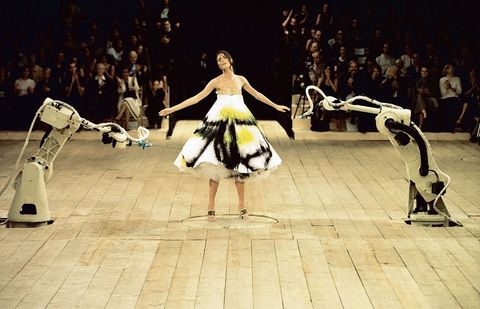
Alexander McQueen changed how the runway was presented, he introduced theatre, and he let you experience every breath, every song, everything there was always poetry and it all meant something. He found inspirations everywhere like his Scottish ancestry, Historical events, Alfred Hitchcock music, Yoruba Mythology, his friends, and the destruction of the environment.

McQueen’s shows caused a shift in how fashion shows are presented; he inspired the entire fashion world. His artistic view on clothes inspired some of his fellow designers including John Galliano, Isaac Mizrahi and Vivienne Westwood, Dolce and Gabbana and Avril Lavigne all created renditions of McQueen trends.

Although McQueen’s aesthetic is dark in places, and it was sometimes laced with references to mortality, he had a very positive attitude toward death. He once commented that, although death is sad and melancholy, it is a natural part of the cycle of life that leaves room for new things to follow.

Breaking gender norms – One comeback at a time

When BTS isn’t busy with the agenda of world domination through a record-breaking album at a time, the seven-member boy group can be seen redefining what it means to be “manly”. With their growing popularity `in the west, they are bringing forth an idea of masculinity that isn’t based on stereotyped guidelines and yes, it does run deeper than the way the dress.

The traditional idea of masculinity that is built upon the agenda of portraying men as tough, unemotional, dominant, macho, sex-obsessed, and being termed as feminine, queer or even “beautiful” as an insult to their manhood. And in this web of gender-based stereotypes Asian men have often been showcased as something lesser than masculine by their western counterparts. In movies, Asian men are often showcased as the guy would never steal your girlfriend, he bows and folds hands, wear silk tunics and is polite, submissive, novel and in simpler words, he is feminine.

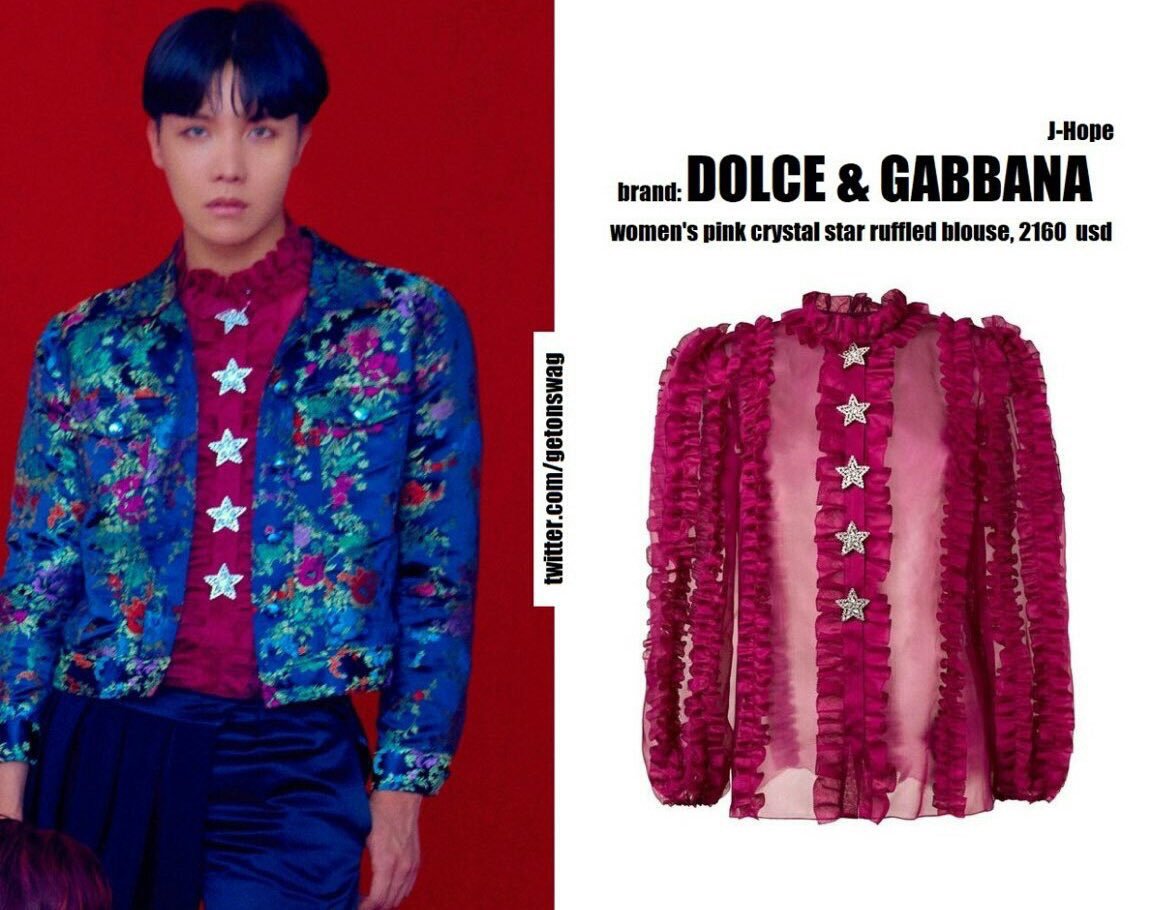
Though now the game is changing and the new players who are leading the team are Korean boy group BTS. They are fully embracing their Asian masculinity without changing anything about that while also effortlessly bending the boundaries of what is feminine or masculine. The group is often seen wearing makeup, jewellery, pastels and pink, even clothes straight from the latest women fashion weak collections. Even going as far as to wear fishnets, chokers, corsets and skirts various photoshoot.

Often seen on stage wearing smokey eyes and red lips and even posting pics of their skincare routine (somehow having clear and healthy skin is considered as too feminine?) that most of us wish to make a part of our daily lives.

BTS Jhope in D&G women’s blouse


But this masculinity runs more than skin deep, they are also not afraid of showcasing emotions on stage or offstage, not a single award has gone by whereupon winning the award they told their fans and members how grateful they are for each other and how much they love each other, many times with tears running down their faces. In their previous reality show ‘bon voyage’ the members sat down together and wrote heartfelt letters to each other, saying much the other members meant to them. One of the members, Park Jimin has also said the most treasured gifts he ever got was the letters other members wrote to him on his birthday.

Suga the prodigal producer and rapper of the group have his whole mixtape dedicated to his internal struggles, fears, depression and social anxiety. The group have also written several struggles that the society, their parents, the education system have put on them. And many of their songs have such strong messages, one of my personal favourite being ’21st-century girls’ which talk about women empowerment, as to how often you see young male hip hop artists make a song on such topic.

Although eradicating the culture of toxic masculinity is a long fight, one can’t deny the impact of this group, their fans who are referred to as ARMY often talks about BTS have helped them gain confidence in the way they express themselves and live a life that is free of prejudice and stereotype that limits you.